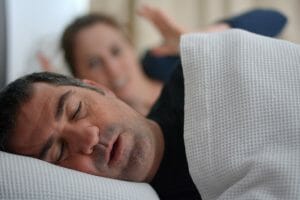
Discover Top Sleep Apnea Treatment Options Today
Are you constantly tired even after a full night's sleep? You might be dealing with sleep apnea, a condition that disrupts your breathing and rest. The good news is that many effective treatment options are available to help you breathe easier and feel more rested.
At Dublin Dental Group, our goal is to help patients breathe easier, sleep better, and enjoy a healthier life. Dr. Tara Haid and Dr. Lisa Johnson understand that sleep apnea can affect your overall well-being, from your energy levels to your heart health. As general dentists who provide comprehensive care, they focus on personalized, non-invasive solutions—helping you find relief through custom oral appliances and practical lifestyle adjustments tailored to your needs.
Understanding Sleep Apnea
Sleep apnea is a severe sleep disorder where breathing repeatedly stops and starts throughout the night. The most common type, obstructive sleep apnea (OSA), occurs when the upper airway becomes partially or completely blocked during sleep. This interruption lowers blood oxygen levels, causing you to wake up briefly—often without realizing it. Over time, untreated sleep apnea can contribute to high blood pressure, heart problems, and excessive daytime sleepiness.
Other forms, like central sleep apnea, result from the brain not sending proper signals to control breathing. Whether mild or severe, all types of sleep apnea interfere with your ability to rest and restore your body effectively.
Common sleep apnea symptoms include:
- Loud, chronic snoring
- Gasping or choking during sleep
- Morning headaches or dry mouth
- Fatigue or irritability during the day
- Difficulty concentrating
If you're experiencing a combination of these symptoms, contact Dublin Dental Group to schedule your sleep apnea consultation with our experienced team. Our team will determine the best treatment based on your type of sleep apnea.
The Role of the Dentist in Sleep Apnea Treatment
Dr. Haid and Dr. Johnson play an essential role in helping patients manage sleep apnea through safe, effective dental solutions. As experienced general dentists in Dublin, OH, they work closely with sleep specialists to evaluate airway concerns and determine whether an oral appliance is the appropriate treatment. These custom-made devices gently reposition the lower jaw and tongue base to prevent airway collapse during sleep, allowing for easier breathing and more restful nights.
Beyond creating and fitting these appliances, our team provides ongoing support to ensure comfort and long-term success. We monitor changes in jaw function, adjust the fit as needed, and check that each device supports optimal oral health.
The Link Between Sleep Apnea and Overall Health
Sleep apnea affects far more than your sleep—the side effects impact your entire body. Frequent breathing interruptions can lead to drops in blood oxygen levels, which can make your heart work harder throughout the night. Over time, this can contribute to high blood pressure, heart disease, and even an increased risk of stroke.
Untreated obstructive sleep apnea has also been linked to daytime sleepiness, difficulty concentrating, and mood changes. By addressing the root cause and improving airflow, patients often see improvements in both their physical and emotional well-being.
Diagnosis of Obstructive Sleep Apnea
If you or a loved one experiences ongoing fatigue or snoring, it's important to seek an evaluation. The diagnosis of obstructive sleep apnea typically involves a sleep study, which monitors your breathing, oxygen levels, and sleep stages overnight. This can be done in a sleep lab or, in some cases, at home.
Once a diagnosis is confirmed, Dr. Haid and Dr. Johnson collaborate with your physician or sleep specialist to determine the best treatment plan for your specific needs.
What are the Traditional Treatment Options?
The gold standard treatment for moderate to severe obstructive sleep apnea has long been Continuous Positive Airway Pressure (CPAP) therapy. The CPAP machine delivers constant air pressure through a mask to keep the airway open during sleep. It's highly effective, especially for severe OSA, and can significantly improve blood oxygen levels and overall quality of life.
Although it is the most common treatment, not every patient tolerates CPAP well. Some report discomfort, dry mouth, nasal irritation, or difficulty adjusting to the positive airway pressure. For those patients, alternative treatments for sleep apnea may offer greater comfort and compliance while still achieving effective outcomes.
Oral Appliance Therapy: A Comfortable Alternative
For many adults with mild to moderate sleep apnea, oral appliance therapy can be an excellent treatment option. Similar to a custom mouthguard, this oral device gently repositions the lower jaw and tongue base forward during sleep. This adjustment keeps the upper airway open, preventing the collapse that leads to breathing pauses.
Dr. Haid and Dr. Johnson design your appliance specifically for your mouth to ensure a precise fit and comfortable wear. Patients often find this option easier to use, more portable, and quieter than CPAP therapy—making it ideal for travel and consistent nightly use.
Benefits of oral appliances include:
- Easier adjustment compared to a CPAP machine
- Increased comfort and mobility
- Reduction in snoring and daytime sleepiness
- Improved adherence, which supports long-term treatment success
For many, oral appliance therapy helps restore natural breathing patterns and improves energy, mood, and heart health.
Lifestyle Changes That Support Treatment Success
While oral appliances and CPAP devices are often part of the treatment of obstructive sleep apnea, simple lifestyle changes can make a significant difference in your overall progress.
Practical adjustments may include:
- Weight loss: Reducing excess weight can lessen airway obstruction and ease breathing during sleep.
- Positional therapy: Sleeping on your side instead of your back can help keep the nasal passages clear and the airway open.
- Physical activity: Regular exercise improves cardiovascular health and promotes better sleep.
- Limiting alcohol and sedatives: These substances can relax throat muscles and worsen airway collapse.
- Maintaining good sleep hygiene: A consistent sleep schedule and restful environment help regulate breathing patterns.
These changes not only enhance your treatment plan but also lower risk factors for high blood pressure, heart disease, and fatigue.
Can Sleep Apnea Be Managed Without Medical Devices
For individuals with mild sleep apnea or positional sleep apnea, there are ways to improve breathing and reduce symptoms without relying solely on medical devices. While these methods may not replace the gold standard treatment for everyone, they can significantly improve quality of life and support overall treatment success.
Lifestyle changes often play a key role. Weight loss, for example, can reduce excess tissue around the upper airway, helping to minimize blockage during sleep. Avoiding alcohol or sedatives before bed, practicing good sleep posture (sleeping on your side), and incorporating regular physical activity can all help maintain open nasal passages and improve airflow.
Additionally, positional therapy—using devices or techniques to keep you from sleeping on your back—can be especially effective for those with mild or moderate obstructive sleep apnea.
Additional Treatment Options
While oral appliances and continuous positive airway pressure (CPAP) therapy are the most common solutions, some patients with severe sleep apnea or unique anatomical challenges may benefit from advanced or combined approaches. These methods aim to enhance airflow and reduce blockages in the upper airway, especially when traditional methods aren't providing complete relief.
Maxillomandibular Advancement
This surgical procedure repositions the upper and lower jaws to expand the space behind the tongue and soft palate. By moving the lower jaw forward, the airway widens and is less likely to collapse during sleep. Maxillomandibular advancement is often recommended for individuals with severe obstructive sleep apnea who haven't achieved treatment success through CPAP or oral appliances alone.
Nasal or Soft Tissue Surgery
In some cases, narrowing of the nasal passages or excess soft tissue in the throat can contribute to airway restriction. Procedures to correct these issues can make breathing easier and may improve tolerance to other treatment options, such as CPAP therapy.
Combination Therapy
For patients needing a more tailored approach, Dr. Haid and Dr. Johnson may recommend combining oral appliance therapy with positive airway pressure can maximize results. This dual strategy can lower the necessary air pressure from the CPAP machine, improving comfort while maintaining effective treatment and long-term compliance.
Benefits of Choosing Dublin Dental Group for Sleep Apnea Treatment
When it comes to sleep apnea treatment in Dublin, OH, Dublin Dental Group combines compassionate care with proven solutions. Our dentists take the time to understand your sleep apnea symptoms, review your medical history, and evaluate your airway pressure and jaw alignment.
Here's what sets our care apart:
- Personalized treatment plans that match your comfort and health goals
- Collaboration with sleep specialists and physicians for complete care
- Access to advanced diagnostic and fitting technology
- Ongoing monitoring to ensure continued treatment success
Effective care doesn't have to be complicated. We focus on treatments that fit seamlessly into your lifestyle—so you can get the rest your body needs and the confidence that comes with improved quality of life.
Regain Restful Sleep and Better Health
If you're struggling with snoring, fatigue, or excessive daytime sleepiness, don't ignore the signs. Sleep apnea is more than just a nighttime issue—it's a condition that affects your long-term health and happiness.
The team at Dublin Dental Group in Dublin, OH, is here to help you find lasting relief and provide ongoing care designed for your comfort. With personalized attention from Dr. Haid and Dr. Johnson, you can take control of your sleep and overall health.
Call us today at 614-889-7661 to schedule an appointment and learn more about your sleep apnea treatment options.