You Brush Every Day, So Why Are Cavities Still Showing Up?

You Brush Every Day, So Why Are Cavities Still Showing Up?

If you’ve ever left a dental appointment thinking, “I do everything right… so why am I getting another cavity?” you’re not alone. Cavities are common, and they’re not a character flaw. Your daily routine matters, but small gaps in technique, lifestyle habits, and even your body’s natural makeup can increase your cavity risk.

If you’ve been Googling why do I keep getting cavities, you’re asking a smart question. Let’s walk through the most common reasons, what you can adjust at home, and how preventive dentistry at Haid Dental can help you stay ahead of tooth decay with a plan built around you.

Why do I keep getting cavities even with good oral hygiene?

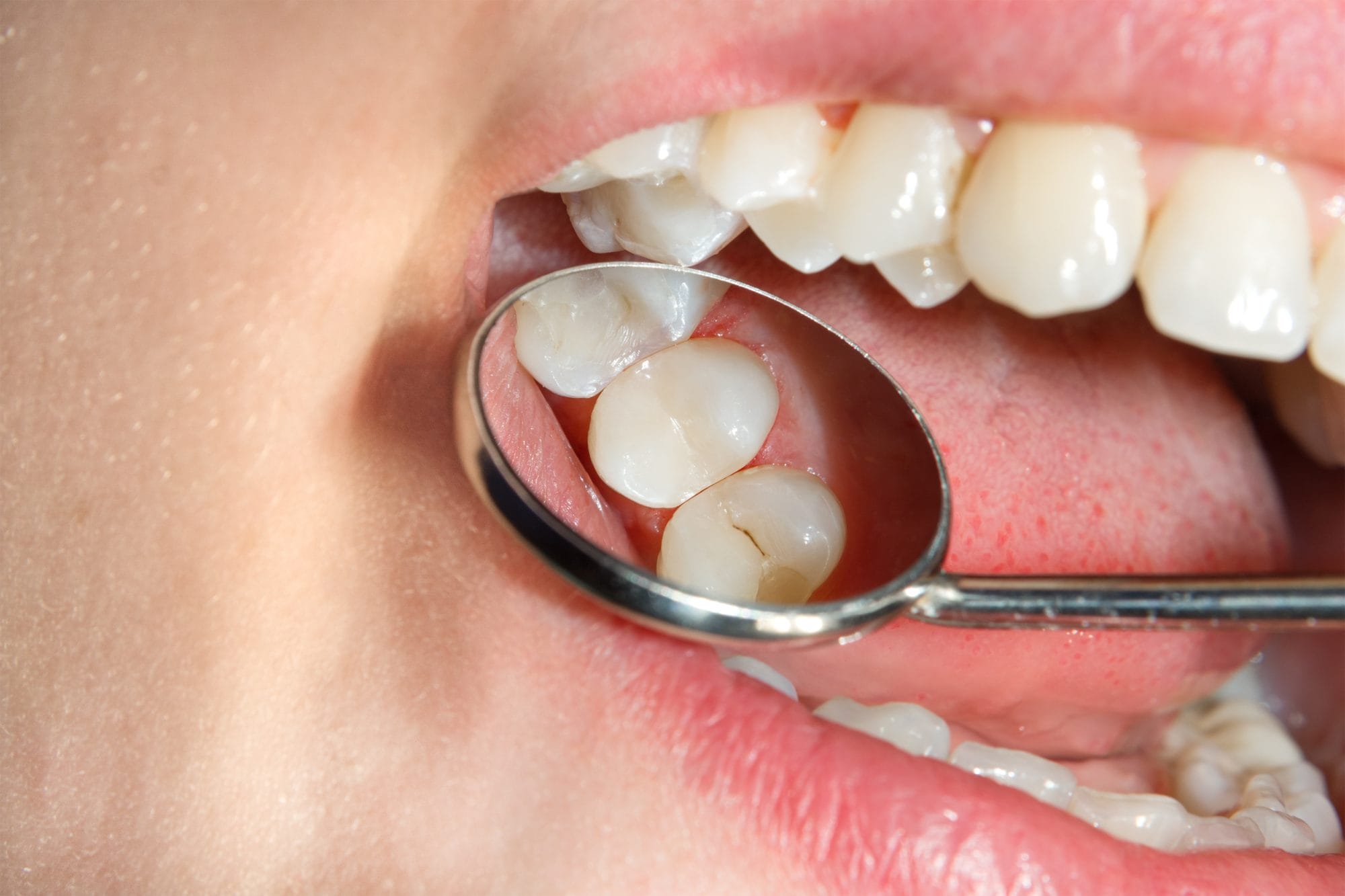
Even if you brush daily, plaque can still build up in hard-to-reach areas, especially around the gum line and back teeth. Your enamel may also face repeated acid attacks from snacks, drinks, or dry mouth. Small issues add up, and early detection matters.

Brushing daily helps, but “regular brushing” has details that matter

Many patients have good oral hygiene intentions but miss spots where cavities like to start. Brushing quickly, using too much pressure, or skipping certain angles can leave food particles and harmful bacteria behind. Those bacteria feed on sugars and starches, producing acid that weakens enamel over time.

Try a quick self-check in the mirror tonight. Are you reaching the gum line where plaque hides? Are you spending enough time on each tooth’s surface, especially the molars? Proper oral hygiene often comes down to consistency plus technique, not effort alone.

The sneaky culprit: plaque buildup between teeth

Even if your toothbrush is doing a solid job, it can’t fully clean between teeth. That space is a favorite place for cavities to begin because bacteria settle in and stay undisturbed. Over time, plaque buildup can harden and create higher risk conditions for decay.

If flossing isn’t part of your routine yet, you’re simply learning where cavities like to hide. Start small, build the habit, and ask your hygienist for tips that fit your hands, schedule, and comfort level.

Dry mouth and low saliva flow can raise your risk of tooth decay

Saliva plays a vital role in protecting your teeth. It washes away food particles, neutralizes acids, and delivers minerals that support enamel strength. When you have dry mouth, harmful bacteria thrive, and your cavity risk rises.

Dry mouth can happen for many reasons, including medications, stress, mouth breathing, or not hydrating enough. A simple daily goal helps: drink plenty of water throughout the day. Water supports saliva flow and helps your mouth recover from acidic foods and sugary snacks.

“Healthy” snacking habits can still trigger acid attacks

Cavities aren’t just about candy. Frequent snacking, even on foods that seem nutritious, can keep your mouth in a steady cycle of acid attacks. The more often you eat, the more often bacteria produce acids that soften enamel, especially if the snack has hidden sugar content or breaks down into sugars quickly.

Common cavity-friendly snacks include:

  • Sugary foods and snacks (cookies, gummies, granola bars)
  • Starchy foods (crackers, chips, pretzels)
  • Dried fruit and “sticky” snacks that cling to teeth
  • Acidic foods and drinks (citrus, soda, sports drinks)

A balanced diet helps your oral health, and timing matters too. If you snack often, drink water afterward and maintain consistent oral hygiene habits rather than grazing all day.

Your toothbrush and toothpaste choice can make a difference

A soft-bristled toothbrush and fluoride toothpaste support proper care without irritating gums. Brushing too hard can contribute to gum recession, exposing areas that are more sensitive and vulnerable to decay. That doesn’t mean you caused the problem; it simply means your mouth may need a gentler approach.

Fluoride treatments and at-home fluoride toothpaste help strengthen enamel and make it more resistant to decay. If you’re getting cavities repeatedly, ask at your next visit whether additional fluoride support fits your needs.

Weaker enamel, genetics, and the way your mouth is built

Sometimes cavities keep showing up because your teeth are working with a tougher starting point. We see patients with weaker enamel or a genetic predisposition to cavities, even with good oral hygiene. Genetics can influence enamel quality, saliva characteristics, and how your immune system responds to bacteria.

You might also have deeper grooves on your chewing surfaces, particularly on back teeth. Those grooves trap food particles easily and can be difficult to clean thoroughly with a toothbrush alone. That combination can raise your cavity risk even with a steady brushing routine.

Dental sealants: extra protection where cavities love to start

Dental sealants are a protective coating placed on the chewing surfaces of teeth, especially helpful for back teeth where grooves and pits catch plaque. Sealants create a barrier that blocks bacteria and food from settling into those areas, lowering cavity risk and protecting the tooth’s surface.

At Haid Dental, sealants are often placed early in the development of teeth, and adults can also be good candidates depending on their oral health history. If you’re consistently getting cavities in molars, sealants may be a practical way to protect vulnerable surfaces as part of preventive dentistry.

What a dental hygiene appointment can catch in the early stages

Even with excellent home routines, you can’t remove all buildup on your own. Dental hygiene appointments allow professional cleaning to remove plaque and tartar that brushing and flossing may miss. These visits also support early detection, when tooth decay can be addressed before further damage requires bigger treatment options.

At Haid Dental, dental hygiene appointments are recommended twice yearly for most patients. During your visit, your hygienist and dentist check your teeth, gums, and overall dental health, and they will talk through what they’re seeing in a clear, supportive way. If you need dental fillings, the goal is to catch the problem early and protect as much healthy tooth structure as possible.

A realistic “cavity-proofing” routine you can actually keep up with

You don’t need a complicated routine to reduce your cavity risk. You need a plan that fits your real life and supports proper oral hygiene day after day. Here are a few habits that make a meaningful difference:

  • Brush twice daily with fluoride toothpaste and spend time along the gum line.
  • Clean between teeth daily to reduce plaque buildup where cavities start.
  • Drink plenty of water to support saliva flow, especially if you notice dry mouth.
  • Limit frequent sugary snacks and starchy foods, and be mindful of sugar content.
  • Schedule regular preventive dentistry visits for cleanings, exams, and early detection.
  • Ask about dental sealants or fluoride treatments if you have a higher risk history.

If you’ve fallen off track, you’re still welcome here. Whether it’s been six months or six years, our team focuses on progress, not perfection.

When cavities happen, it’s a signal, not a setback

If you’ve been thinking, “why do I keep getting cavities,” the most helpful next step is figuring out your personal pattern. Maybe it’s dry mouth, frequent snacking, or a couple of spots you’re consistently missing while brushing. Maybe your enamel strength needs extra support. The point is that tooth decay is not random, and you deserve answers that make sense.

Preventive dental care works best when it’s personalized. At Haid Dental, we take time to listen, look closely, and recommend next steps that fit your needs and comfort level, including support through routine dental hygiene appointments and protective options like sealants.

Ready for a judgment-free preventive visit in Dublin or Worthington?

If you’re tired of surprises at checkups and want a clearer plan for preventing cavities, we’re here for you. Haid Dental offers preventive dentistry focused on long-term oral health, with gentle dental hygiene appointments, guidance on oral hygiene habits, and added protection like dental sealants when appropriate.

Schedule an appointment today.
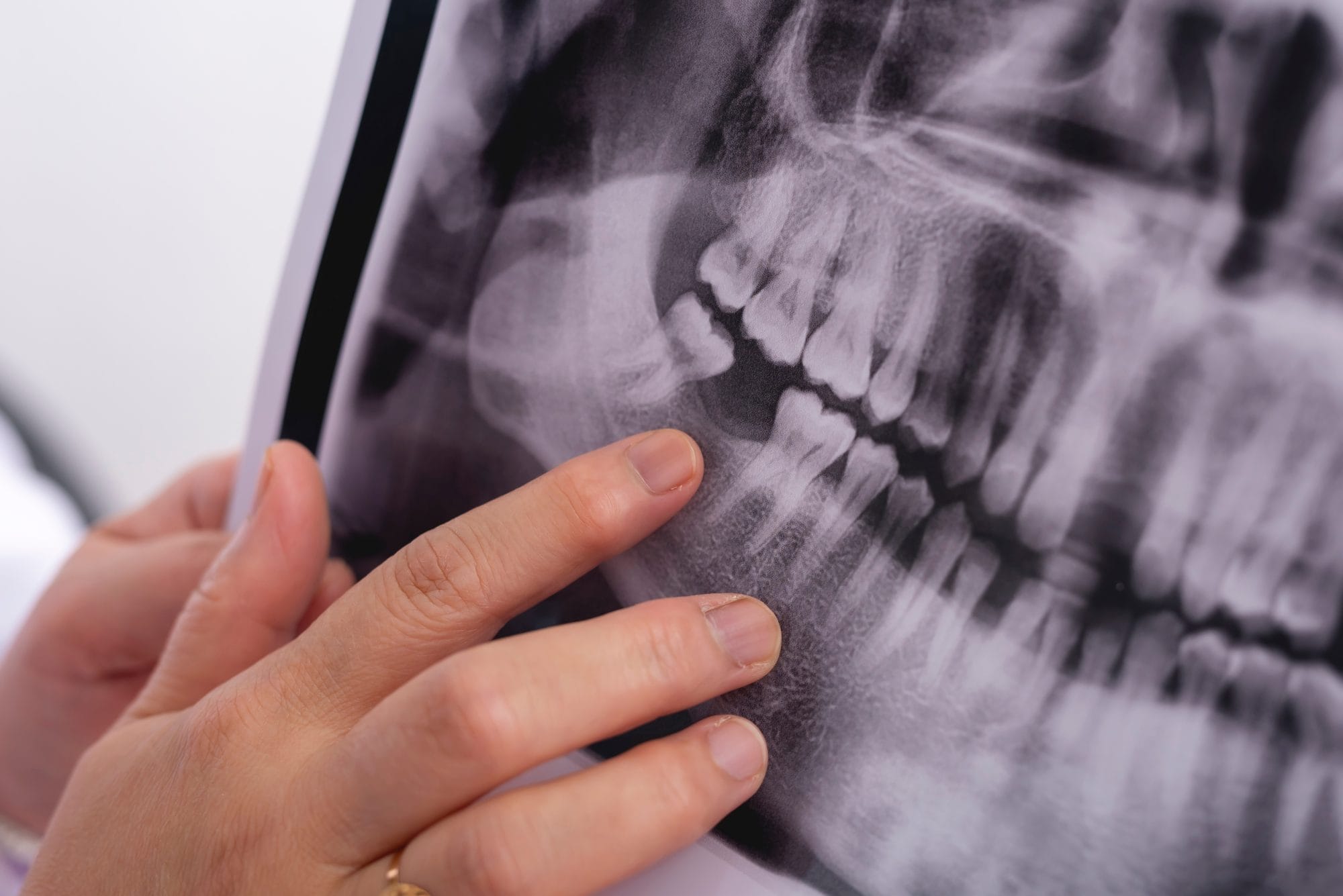
Missing Teeth Change More Than Your Smile: How Tooth Loss Affects Your Health Over Time

Missing Teeth Change More Than Your Smile: How Tooth Loss Affects Your Health Over Time

Noticing a gap in your smile can bring up a lot of feelings. You might worry about how you look in photos, how you sound when you talk, or whether people will notice. At Haid Dental, we want you to know you are not alone, and you are always welcome here, whether it’s been six months or six years since your last dental care visit.

Missing teeth affect your daily comfort and long-term oral health in ways that are easy to overlook at first. Tooth loss can change how you chew, how your remaining teeth fit together, and even how your jawbone stays strong. The good news is that you have supportive treatment options, and our team in Dublin and Worthington, Ohio is here to help you choose a tooth replacement plan that fits your goals and your life.

Why a missing tooth affects more than the smile you see

A missing tooth changes the balance of your bite right away. Your natural teeth work as a team, so when one adult tooth is gone, the teeth next to it and the teeth above or below it take on extra work. Over time, that shift can contribute to dental problems such as uneven wear, small chips, or jaw pain from changes in how your bite closes.

You may also notice changes in how food breaks down when you chew. That can make a balanced diet harder to maintain, especially if you start avoiding healthier foods that require more chewing. If you already deal with sensitivity or gum tenderness, the side of the space can become a trouble area for plaque buildup, which increases your risk for oral health issues.

What causes tooth loss in adults?

Tooth loss usually has a story behind it, and it is rarely about one single factor. The leading cause of tooth loss in adults is often periodontal disease, which is advanced gum disease that damages the support around a tooth. Tooth decay can also lead to a lost tooth if the infection becomes severe or the tooth structure breaks down too much to save.

Other causes of tooth loss can include:

  • Poor oral hygiene that allows harmful bacteria to thrive around the gums and tooth surfaces
  • Poor nutrition that makes it harder for your body to support healing and healthy gum tissue
  • Sports injuries or other trauma that fractures a permanent tooth
  • Environmental factors like chronic dry mouth, certain medications, or high stress that can contribute to decay and gum inflammation

Missing wisdom teeth are very common because those teeth are often removed or never develop. However, missing permanent teeth in the front of your smile, such as upper lateral incisors or lower central incisors, can affect function and spacing in a more noticeable way.

How missing teeth can lead to bone loss in the lower jaw

Your jawbone stays strong through stimulation from chewing, and that stimulation comes through the root of a natural tooth. When a permanent tooth is missing, the bone in that area no longer gets the same signal to maintain its shape and density. That process is commonly called bone loss, and it can happen gradually after tooth loss.

Bone changes can affect how your smile looks and how replacement teeth fit. For example, as the ridge of bone shrinks, the gums and facial support in that area can change, which may influence speech and the way your lips are supported. It can also make some tooth replacement approaches more complex later, which is why the first step is often simply coming in for an evaluation and a conversation.

Can missing teeth cause gum disease and tooth decay nearby?

Yes, missing teeth can raise the risk of gum problems and decay for the remaining teeth. Spaces can trap food more easily, and the teeth next to a gap can tilt slightly, creating areas that are harder to clean. If plaque buildup sits along the gumline, gum disease can progress and put more adult teeth at risk.

How long can you leave a missing tooth before it causes problems?

Timing varies for each person, but changes often start earlier than you expect. Within months, the remaining teeth can begin shifting, and your bite can feel “off” even if you cannot see movement in the mirror. Bone loss also tends to progress after tooth loss, which can affect future replacement option choices if you wait too long.

How your remaining teeth shift (and why your bite feels different)

Teeth want to touch their neighbors. When there is a gap, the teeth on either side of the space may drift, and the tooth above or below can over-erupt into the open area. That movement can strain the way your teeth fit together and make chewing less efficient.

You may notice you chew more on one side, or you avoid the area completely. That compensation can contribute to jaw pain, headaches, or sore muscles, especially if you already clench or grind. We also see patients who start with one missing tooth and later develop cavities, cracks, or gum recession around the nearby natural teeth due to the stress and cleaning challenges created by the space.

Tooth replacement options: what restorative dentistry can do

Restorative dentistry focuses on helping you chew comfortably, speak clearly, and protect long-term oral health. At Haid Dental, we take time to talk through your goals, your timeline, and your comfort needs so you can make a confident decision. Your treatment options depend on the tooth location (front teeth versus back teeth), the health of the remaining teeth and gums, and the amount of bone available.

Here are common tooth replacement paths we may discuss with you:

  • Dental bridges: A fixed bridge can replace a missing tooth by anchoring to the teeth next to the space. It can feel stable and natural when planned well, and it can be a good choice for certain situations.
  • Dental implant: A dental implant replaces the root of the tooth and supports a crown that looks and functions like a natural tooth. You may hear your dentist mention the top of the implant, which is the part that ultimately supports the visible tooth portion.
  • Implant-supported dentures: If you are missing several teeth, implant-supported dentures can offer a more secure fit than traditional dentures for many patients. This approach helps with stability during eating and speaking and can support quality of life.

Some patients come in feeling embarrassed, especially if they have fewer permanent teeth than they used to, or if they have been living with gaps for years. We keep the focus on solutions and comfort, with clear explanations and judgment-free support.

Prevention still matters, even after tooth loss

Replacing a tooth is important, and prevention remains the foundation. Regular visits help us monitor your gums, check for early decay, and make sure your replacement teeth and natural teeth are working well together. If you have had extractions, missing permanent teeth, or ongoing gum concerns, consistent care can protect your investment and help you avoid new dental problems.

A few prevention-focused habits that make a real difference include:

  • Keeping up with regular dental visits and hygiene appointments to reduce harmful bacteria
  • Brushing and flossing carefully around the gums and any fixed bridge or implant areas
  • Wearing mouthguards for sports injuries if you play contact sports or have a history of dental trauma
  • Talking with us about clenching or grinding if you have jaw pain or morning headaches

If you are dealing with gaps related to earlier transitions like baby teeth issues, a baby tooth that stayed too long, or a missing permanent tooth that never came in, we can also help you explore solutions that support long-term function.

Ready to talk through next steps? We’re here when you’re ready.

Living with missing teeth can slowly change how you eat, how you feel, and how you care for your mouth day to day. You deserve a plan that helps you feel comfortable and confident, with a team that listens and explains your options clearly.

If you are in Dublin or Worthington, Ohio, schedule a visit with Haid Dental to talk about restorative dentistry, dental implants, dental bridges, and implant-supported dentures. We will meet you where you are, answer your questions, and help you choose a path forward that supports your health for the long run.


Spring Is a Wake-Up Call for Gum Disease: Early Signs You Shouldn’t Ignore

Spring Is a Wake-Up Call for Gum Disease: Early Signs You Shouldn’t Ignore

Spring nudges us to reset — opening windows, swapping heavy coats, and focusing on wellness. If you’re prioritizing health, don’t forget your gums. Small changes like bleeding when flossing or persistent bad breath can be early warning signs of gum disease.

If you’re feeling worried or frustrated about your oral health, you’re not alone. Whether it’s been six months or six years since your last visit, Haid Dental in Dublin and Worthington, Ohio, is here to help. We provide supportive, judgment-free care to help you understand what’s happening and what steps to take.

Why spring is the perfect time to check your gum line

Spring often brings new habits, including changes in oral hygiene routines. As your schedule shifts, you may notice gum issues like bleeding, tenderness, or swelling that were easy to overlook during winter.

Spring is also a practical time to address gum concerns. Gum disease progresses quietly, and catching it early allows for simpler, more comfortable treatment. Prevention-focused dentistry saves time, pain, and money, and healthy gums are a key part of that.

What is periodontal disease, and how does it start?

Periodontal disease is an infection of the tissues supporting your teeth. It begins when bacteria form a sticky film near the gums. If not removed, this film hardens into tartar, which is harder to clean and can irritate the gums.

The earliest stage of gum disease is gingivitis, which causes gum inflammation, redness, tenderness, or bleeding during brushing or flossing. The good news? Gingivitis is often reversible with improved oral care and timely dental help.

If untreated, gingivitis can progress to more severe gum disease, affecting the connective tissue and bone that hold teeth in place. This can lead to bone loss, loose teeth, and eventually tooth loss. Catching gum disease early is crucial.

Early symptoms of gum disease you should not brush off

Gum disease often starts with subtle signs that are easy to ignore. Watch for these common symptoms:

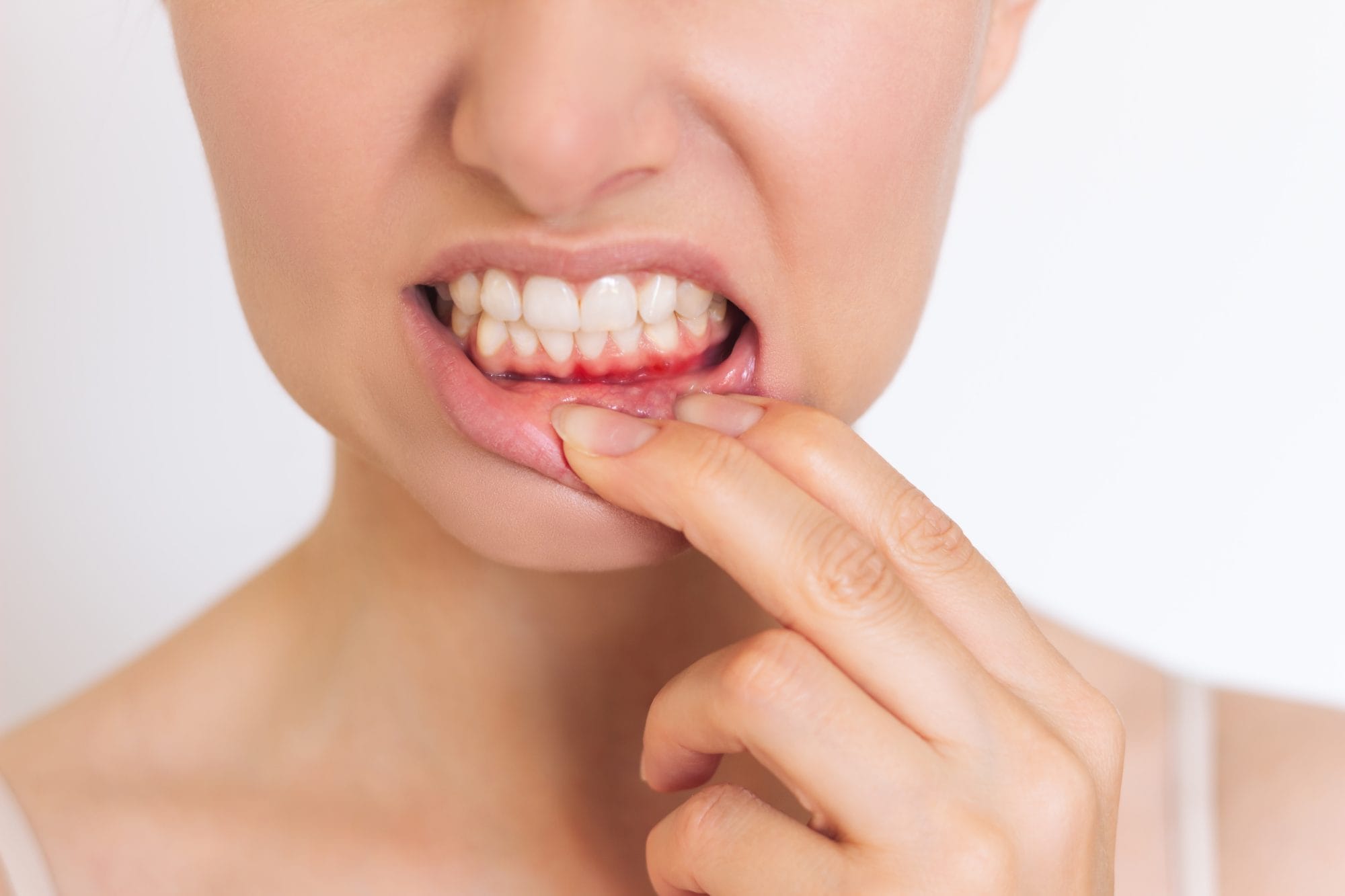
  • Bleeding during brushing or flossing, especially if it happens repeatedly
  • Puffy, tender, or shiny gums, signaling inflammation
  • Persistent bad breath that doesn’t improve with mouthwash
  • Gums pulling back, making teeth appear longer
  • Sensitivity near the gum line when eating or drinking
  • Changes in how teeth fit together or new spaces between teeth

These symptoms don’t necessarily mean advanced gum disease, but they do signal that your gums need attention. A visit to your dentist can help determine the stage of gum disease and the next steps.

What are the warning signs of gum disease?

Seeing blood in the sink or noticing swelling and bad breath are not overreactions. These are early warning signs of gum disease, and addressing them promptly can lead to effective, comfortable care with fewer complications.

Risk factors: why gum disease happens to some people faster

Even with good oral hygiene, some people are more vulnerable to gum disease due to factors like genetics, immune system responses, medications, or health conditions. Poor oral hygiene habits and missed dental visits can also increase risk, as can a history of untreated gingivitis. A dental professional can help you understand how your habits and health history affect your gums.

What happens if you ignore it: from mild form to permanent damage

When left untreated, gum disease progresses. In its mild form, the infection stays near the surface, and treatment focuses on reducing inflammation and removing buildup. As it advances, bacteria can reach deeper tissues, forming pockets between teeth and gums.

Advanced gum disease can cause permanent damage to the bone and connective tissue, leading to loose teeth, shifting, and discomfort when chewing. At its most severe, periodontal disease is a leading cause of tooth loss, requiring more complex treatment. Early intervention can help you avoid these outcomes.

Oral health and whole-body health: the connection you should know

Your oral health impacts your overall health. Research links periodontal disease to systemic issues like heart disease. While there’s no need to panic, it’s important to understand these connections and work with your dental team to support long-term wellness.

If you have health conditions affecting inflammation or healing, monitoring your gums is especially important. Your dentist can provide clear guidance and a personalized plan without judgment or pressure.

What to expect at Haid Dental: evaluation and periodontal therapy options

If you’re concerned about gum disease, your visit at Haid Dental starts with listening. Share what you’ve noticed, your worries, and your goals. We provide personalized care tailored to your needs and lifestyle.

Your dentist and hygienist will evaluate your gums for signs of infection, inflammation, and deeper issues. If periodontal therapy is needed, we’ll explain your options, which may include professional cleaning to reduce bacteria and support healing. Advanced technology like laser dentistry (Biolase) may also be recommended, and we’ll ensure you understand why.

If you feel anxious, let us know. We prioritize your comfort and offer sedation dentistry options to help you feel at ease.

Prevention you can feel good about between visits

Supporting healthy gums doesn’t require perfection—consistency is key. Along with your care plan, these habits can improve your oral health:

  • Brush gently and thoroughly, focusing on the gum line
  • Clean between teeth daily to disrupt bacteria buildup
  • Stay consistent with dental visits to prevent tartar formation
  • Report changes like bleeding, tenderness, or persistent bad breath

If cost is a concern, talk to our team. Community resources and government programs may offer free or low-cost dental care. When searching online, use secure websites to protect your information.

A quick note on trustworthy information (and who to listen to)

It’s easy to feel overwhelmed by online information. For reliable resources on gum disease, the American Academy of Periodontology is a trusted source. However, online research can’t replace a professional exam tailored to your unique situation.

Ready for a fresh start this spring? We are here when you are ready.

Spring is the perfect time to reset and address things you’ve been putting off. If you’re noticing signs of gum disease or want peace of mind about your oral health, Haid Dental is here to help with a clear plan and a comfortable visit.

With locations in Dublin and Worthington, Ohio, we treat you like family, not just a chart number. Visit our website to schedule an appointment, ask questions, or share your concerns. We’re on your team and ready when you are.

TMJ Treatment for Winter Jaw Pain: Why Symptoms Flare and How to Find Relief

TMJ Treatment for Winter Jaw Pain: Why Symptoms Flare and How to Find Relief

If your jaw feels sore, tight, or “off” in late winter, you’re not imagining it. Many people notice an increase in jaw pain, headaches, and facial discomfort during this season. Stress levels rise, sleep gets disrupted, and cold weather habits like hunching shoulders or tensing jaw muscles can strain the temporomandibular joint (TMJ).

At Haid Dental in Dublin, we see this pattern often. You deserve clear answers and a path to relief that fits your life. Let’s explore why winter can aggravate TMJ problems and what you can do to feel better.

What Your Temporomandibular Joint Does (and Why It Gets Irritated)

Your temporomandibular joint connects your lower jaw to your skull near the front of your ears, guiding jaw movement for chewing, speaking, yawning, or swallowing. When the joint, surrounding tissues, or jaw muscles become stressed or inflamed, temporomandibular disorders (TMD) can develop.

TMJ symptoms vary widely. You might experience jaw clicking, difficulty opening, joint pain, or facial fatigue after meals. Others feel headaches, ear-area pressure, or chronic pain that moves around. The good news is that many TMD symptoms improve with conservative treatments and a supportive care plan.

Why Winter Can Make TMJ Pain Worse

Winter doesn’t directly cause TMJ problems, but it can amplify common triggers. Late winter often brings work deadlines, school schedules, and less daylight, which can affect mental health and sleep quality—factors that often show up in the jaw.

Here are several winter factors that can contribute to jaw tension and TMJ symptoms:

  • Higher stress levels can lead to jaw clenching during the day or while sleeping.
  • Disrupted sleep increases muscle tension and pain sensitivity.
  • Cold weather encourages shoulder and neck tension, which impacts jaw function.
  • Comfort habits like chewing gum or ice can overload the jaw joint.
  • Posture changes from winter coats or at-home work setups can strain the head and neck.

When these pressures stack up, mild underlying causes can feel more intense by February.

Are You Clenching More in Winter?

Clenching and grinding, common forms of bruxism, often go unnoticed until jaw pain, tooth sensitivity, or morning soreness appear. Symptoms like tightness near the ears, morning headaches, or a bite that feels “off” may indicate clenching. Some people also report jaw clicking or a “stuck” feeling in the lower jaw after waking.

If this sounds familiar, the first step is a calm, judgment-free conversation and evaluation to identify what’s driving your TMJ symptoms.

When Home Care Helps and When It’s Time to Get Checked

For mild, short-lived symptoms, simple lifestyle changes can help reduce strain on the TMJ and encourage calmer jaw movement. Try these at-home treatments:

  • Soft foods for a few days to reduce jaw joint stress.
  • Moist heat or cold packs for pain relief (alternating can help).
  • Relaxation techniques like slow breathing, especially before bed.
  • Good posture reminders, including keeping your tongue on the roof of your mouth and teeth slightly apart when not eating.
  • Limiting gum chewing and avoiding wide, repetitive jaw movements.

Over-the-counter medications may also help, but consult a healthcare provider to ensure safe use and avoid side effects.

If you experience severe pain, difficulty opening your mouth, frequent jaw locking, or symptoms lasting more than a week or two, schedule a visit. Lingering pain may signal inflammation, bite strain, or other TMJ issues requiring expert care.

What Happens at Haid Dental When You Come in for TMJ Concerns

At Haid Dental, TMJ treatment begins with listening. You’ll have time to describe your symptoms, when they started, and what makes them better or worse. This context matters because TMD often involves multiple factors like stress, clenching, bite alignment, and muscle tension.

Your appointment may include a physical exam of your jaw joint and surrounding areas. We assess jaw movement, check for muscle tenderness, and evaluate your bite to identify contributing factors. Sleep habits and daytime clenching patterns may also be discussed to address root causes and support long-term relief.

Treatment Options That Fit Your Symptoms and Lifestyle

TMJ care works best when personalized. Your treatment plan depends on your symptoms, triggers, and whether your discomfort is occasional or chronic.

Treatment options may include:

Oral Appliances (Nightguards)
Custom nightguards help protect teeth and reduce TMJ strain, especially for patients with bruxism. They promote a healthier jaw position and minimize grinding impacts, which can be particularly helpful during winter stress.

Bruxism Treatment and Habit Support
For daytime clenching, we can discuss cues and stress management strategies. Simple changes like jaw “check-ins,” phone reminders, and pairing posture resets with deep breathing can reduce muscle tension over time.

Physical Therapy and Manual Therapy
Physical therapy focused on the head, neck, and jaw can improve function and reduce pain. Techniques like manual therapy, stretching, and strengthening may be used, along with massage therapy for tight muscles and trigger points.

Medication Support in Select Cases
Muscle relaxants may be considered for reducing spasms, with careful discussion of side effects. For stubborn inflammation, corticosteroid or trigger point injections may be explored if conservative treatments haven’t provided enough relief.

Advanced Evaluation for Severe Cases
For intense or persistent symptoms, we guide next steps. Surgery is generally a last resort for severe cases and requires thorough evaluation. Many people improve with conservative approaches, and a thoughtful, step-by-step plan is key.

A Quick Example: What Winter TMJ Flare-Ups Can Look Like

A patient might say, “My teeth feel sore, my jaw feels tight, and I have facial pain near the side of my face, especially in the mornings.” After discussing their routine, it becomes clear they’ve been sleeping poorly, clenching during stressful workdays, and leaning forward at a laptop for hours. With an oral appliance, posture and relaxation techniques, and targeted lifestyle changes, symptoms often calm down and stay manageable.

You deserve that same steady support, even if you feel unsure about what’s going on.

How You Can Support Your Jaw Health Between Visits

Winter can be a helpful reset point. To protect your jaw health and reduce TMD symptoms, focus on simple, repeatable routines rather than perfection.

Try these habits for the next two weeks:

  • Prioritize soft foods when your jaw feels irritated.
  • Use moist heat at night to relax jaw muscles and cold packs for sharp inflammation.
  • Practice stress management, even in small increments.
  • Pay attention to posture, especially when driving or working at a screen.
  • Track key TMD symptoms like jaw clicking, difficulty opening, and morning soreness.

If you notice patterns, bring them to your appointment. The more we know, the more targeted your TMJ treatment can be.

Ready for Relief? We’re Here When You’re Ready.

Winter jaw pain can feel draining, especially when it affects sleep, eating, and focus. You don’t have to push through it or guess your way forward. At Haid Dental, we treat you like family, not just a chart number, and we take the time to create a plan that matches your needs.

If you’re dealing with TMJ pain, jaw clenching, or ongoing TMD discomfort, schedule a visit. We’ll help you understand what’s happening, review your treatment options, and work toward lasting relief with comfort and compassion.


New Year Whitening: Your Cosmetic Dentistry Refresh

New Year Whitening: Your Cosmetic Dentistry Refresh

If you’re seeing more photos and smiles this season, you’re not alone. The New Year brings parties, reunions, and a fresh-start mindset. Many people in Dublin and Worthington, Ohio, choose professional teeth whitening to feel photo-ready. At Haid Dental, we treat you like family, listen to your needs, and create a comfortable, judgment-free visit that supports your oral health and confidence.

Teeth whitening is one of the most requested cosmetic treatments. Professional whitening delivers visible results quickly, and a brighter smile can kick off a transformation that supports your personal goals. Whether it’s been six months or six years since your last visit, you’re always welcome here.

Why choose professional whitening for a white smile

Store-bought strips and gels can be unpredictable, especially if you have stains near the gums, sensitive enamel, or existing restorations like crowns and fillings. In-office whitening uses professional-strength gels and precise application, protecting your gums and teeth while lifting discoloration evenly for a natural look.

A trusted cosmetic dentist tailors your treatment plan to your smile goals. We check for cavities, measure enamel health, and recommend a personalized plan that works with your natural teeth and any restorations. You’ll also receive clear instructions for proper care, so your results look great and last.

Benefits patients love include:

  • Predictable shade improvement that still looks like you
  • Professional protection for enamel and soft tissues
  • Options to manage sensitivity for comfortable visits
  • Guidance on maintenance, foods, and habits to reduce new stains
  • Results that complement future cosmetic procedures if you want a smile makeover later

Is professional whitening right for you this season?

Professional whitening works best for surface stains from coffee, tea, red wine, or aging. If you have internal discoloration, large restorations, or missing teeth, we’ll discuss other options, such as dental bonding, crowns, or implants, for a long-term new smile.

From stains to a smile transformation: What to expect

Your first step is a friendly consultation and dental hygiene appointment. We’ll clean away plaque and tartar, helping the gel reach the enamel evenly and improving the durability of your results. Then, we’ll review your aesthetic goals, answer questions, and map out the right cosmetic procedures for your situation.

Many patients appreciate hearing success stories. Jamie from the Columbus area felt nervous about her teeth after years of coffee. After a gentle cleaning and an in-office session, Jamie left with a noticeably brighter, natural appearance and newfound confidence at work. Clear instructions on proper care helped her results last beautifully between checkups.

We’ll also discuss how whitening fits with other cosmetic dentistry services. If you’re planning future bonding or veneers, whitening often comes first so new restorations can match your brighter shade. If teeth are crowded or misaligned, we can discuss clear aligners, like SureSmile, to ensure your results look balanced and symmetrical.

How whitening fits into Cosmetic Dentistry treatment options

Whitening brightens the color of natural teeth, forming the foundation for many cosmetic treatments. If you want to address minor imperfections like small chips, uneven edges, or a single dark tooth, dental bonding can add enamel-colored resin to the front of teeth for a seamless, natural appearance.

For more significant changes, porcelain veneers can refine shape, color, and symmetry. These thin, custom veneers cover the front surface of your teeth, creating a symmetrical smile and a lasting impression. Porcelain offers a highly natural look, excellent durability, and stain resistance with proper care. Some cases may require minimal enamel removal, and we’ll review the approach that best protects your tooth structure.

When teeth are structurally compromised or have large fillings, dental crowns may be the better choice. Haid Dental offers CEREC crowns for many cases, crafted the same day to keep your smile design moving forward efficiently. If you need replacements for missing teeth, dental implants provide a strong, durable foundation for restorations that look and feel like natural teeth.

Whitening doesn’t change tooth position, so if alignment is a concern, we can discuss orthodontics with clear aligners to straighten discreetly. This sequence often supports a complete smile makeover, building color first, then alignment, then shape. Every step is guided by your smile goals, timeline, and budget.

Safe results come from prevention, comfort, and good habits

Professional whitening always starts with healthy gums and teeth. Our team screens for cavities, checks restorations, and ensures your dentistry is stable before cosmetic treatments begin. This prevention-focused approach supports comfort, reduces sensitivity, and helps results last longer.

To keep your beautiful smile bright:

  • Brush twice daily with a nonabrasive toothpaste, and floss to protect enamel
  • Rinse after coffee, tea, or red wine to reduce new stains
  • Use a straw for darker beverages when possible
  • Schedule regular dental care and cleanings to maintain a clean surface
  • Ask us about touch-up options if your shade softens over time

Your result should look like you, only fresher. We aim for a natural look that suits your skin tone, age, and lifestyle, so you feel confident in every setting. When needed, we can discuss gradual approaches that reduce sensitivity and give you control over your final shade.

Why choose a trusted cosmetic dentist in Worthington and Dublin

Choosing the right team matters. Haid Dental serves Dublin, Worthington, and the greater Columbus community with years of expertise, a caring philosophy, and a whole-health view of dentistry. We believe every patient deserves clear explanations and time to ask questions, so you feel informed at every visit.

We build personalized treatment plans that fit real life. If whitening is part of a broader smile design, we coordinate restorative procedures and cosmetic treatments, from bonding to crowns, so the final result has a cohesive, natural appearance. If lab-fabricated work is needed, we plan around shade and timing so everything blends smoothly with your new shade.

Our approach is about comfort and relationships. You’ll never be rushed, and your concerns about sensitivity, durability, or maintenance are always addressed. We want you to enjoy newfound confidence every day, not just in photos.

What about veneers, bonding, or implants after whitening?

Whitening doesn’t change the shade of existing restorations, so we plan the sequence carefully. If you’re considering veneers, crowns, or implants, we brighten your natural teeth first, then match new restorations to the new shade. This avoids mismatches and keeps your smile consistent.

Bonding can refine edges and cover minor imperfections once the shade is set. Porcelain veneers can reshape the front of teeth for a smile makeover with impressive durability. If you need dental implants to replace missing teeth, we coordinate color for a cohesive, natural look that supports both function and appearance.

Ready to start with a simple, confidence-boosting change?

At Haid Dental, our mission is simple: to improve lives by improving smiles. If you’re ready, our dentists will guide you through safe, effective whitening, review maintenance tips, and outline future options if you want to go beyond color. We’re here to help you feel comfortable, informed, and proud of your results.

Schedule an appointment today and let us help you welcome the New Year with a confident, white smile. We’re on your team, ready when you are.

Winter Jaw Pain and TMJ Treatment Relief

Winter Jaw Pain and TMJ Treatment Relief

Winter Jaw Pain and TMJ Treatment Relief

When the temperature drops in Dublin and Worthington, you might notice your jaw feels tighter, your teeth meet harder, or your morning headache lingers longer. You are not imagining it. Cold weather can aggravate jaw discomfort, and the right care plan can help. 

At Haid Dental, we focus on comfort, prevention, and personalized solutions like custom nightguards and gentle therapies to make winter easier. If you are searching for TMJ treatment, you are in the right place.

Why does cold weather make jaw pain feel worse?

Cold air can increase muscle tension, and many people unconsciously hunch their shoulders and clench their teeth in the winter. Holiday stress and disrupted sleep add to the load on your jaw joint. Together, these triggers can flare TMJ pain, jaw discomfort, and headaches, especially in the morning.

Understanding the temporomandibular joint and common TMJ issues

Your temporomandibular joint connects your jaw to your skull and powers chewing, talking, and yawning. When the jaw joint and jaw muscles are strained, temporomandibular disorders can show up as facial pain, joint pain, ear pressure, or locking of the jaw. You might notice limited mouth opening or a change in jaw movement.

People often call this a TMJ disorder or TMJ dysfunction. Clinically, you may see terms like temporomandibular joint dysfunction and temporomandibular joint disorder. Symptoms of TMD vary widely. Some patients have brief flare-ups. Others deal with chronic pain or myofascial pain that reduces quality of life.

Conservative treatments that support comfort at Haid Dental

We treat you like family, not just a chart number. Our dentists begin with a careful exam of the TMJ area, your bite, and your muscles. We talk through your goals and daily habits, then outline treatment options that fit your life.

  • Custom mouthguards and occlusal splints: For jaw clenching or nighttime grinding, a comfortable splint can reduce pressure on the jaw joint and provide pain relief. These are a cornerstone in the management of temporomandibular disorders.
  • Behavior and home care guidance: We discuss jaw exercises, a short period of soft foods during flares, cold therapy for soreness, and strategies that protect range of motion. We also review over-the-counter medications and pain relievers, and when to ask about muscle relaxers.
  • Physical therapy collaboration: When appropriate, we suggest physical therapy with manual therapy to support jaw muscles and posture, and to improve mouth opening. Some providers may use transcutaneous electrical nerve stimulation as part of a broader plan.
  • Laser Dentistry, Biolase: We use modern laser dentistry to make visits more comfortable and efficient. Biolase allows precise, gentle care and supports a calmer experience for sensitive tissues. Comfort matters, and our goal is a stress-reducing visit from start to finish.

Our approach centers on conservative treatments first. Many TMJ problems calm with a focused plan that combines an oral appliance, bruxism treatment, habit changes, and steady follow-up.

What are common TMJ symptoms you should watch for?

  • Jaw pain or facial pain that is worse in the morning or with chewing
  • Clicking, popping, or locking of the jaw
  • Limited jaw movement or trouble with mouth opening
  • Headaches, ear fullness, or tenderness in the TMJ area
  • Signs of jaw clenching or tooth wear

Whether it has been six months or six years since your last visit, you are always welcome here. If these TMD symptoms sound familiar, our team will listen and help you take the next step.

What to expect at your TMJ visit in Dublin or Worthington

Let’s walk through your visit. We start with a relaxed conversation about your jaw discomfort and daily routine. Your dentist will gently evaluate your bite, jaw movement, and the temporomandibular joint, and check muscle tension around the neck and face.

If we see signs of TMJ issues, we discuss a clear plan. This may include a custom occlusal splint, recommendations for a soft diet during flares, jaw exercises, and ways to reduce strain at work or during sleep. If anxiety is a concern, ask about our comfort options and sedation dentistry. You will leave with supportive guidance and a path forward.

When are referrals or surgical options considered?

Most patients improve with conservative treatments. In severe cases or when internal derangement is suspected, we coordinate with the appropriate healthcare provider. Some specialists may order magnetic resonance imaging, consider a minimally invasive procedure such as TMJ arthroscopy, or evaluate other surgical options.

A small number of patients may discuss TMJ surgery or total joint replacement as a last resort with a maxillofacial surgery team. Some providers also explore botulinum toxin or tricyclic antidepressants. Every option has potential side effects, so careful evaluation is important before any step.

Evidence-informed care, kept simple for you

You deserve care that is both compassionate and informed by strong science. In the United States, researchers publish systematic review and randomized controlled trial data to guide safer choices for TMD pain.

Professional groups have developed research diagnostic criteria for identifying symptoms of TMD. The TMD Consortium Network and Recommendations of the International RDC are examples of efforts to standardize care. Journals such as J Orofac Pain share updates that clinicians follow. At Haid Dental, we translate this ever-evolving knowledge into clear, practical guidance for your day-to-day routine.

Everyday habits that may help your TMD pain in winter

  • Keep your posture tall and relaxed. This reduces jaw clenching when you work or drive.
  • Use cold therapy briefly during a flare, then switch to gentle stretching and jaw exercises to maintain range of motion.
  • Choose soft foods for a few days if chewing feels sore, and avoid gum and very chewy items.
  • Practice mindful breathing to lower muscle tension. Better sleep supports healing.
  • Wear your prescribed nightguard consistently. Small steps add up.

These simple steps, paired with a personalized plan, can lower TMD pain and protect your jaw joint through the season.

Why choose Haid Dental for TMJ treatments?

  • Personalized plans that fit your goals and schedule
  • Clear explanations and no-judgment conversations
  • Advanced technology, including Biolase laser dentistry for comfortable visits
  • Two convenient locations in Dublin and Worthington
  • A prevention-first philosophy focused on long-term health

Our mission is simple. We improve lives by improving smiles. We are here to protect your oral health and your overall well-being, one thoughtful visit at a time.

Ready to find relief from winter jaw pain?

If cold weather has you dealing with TMJ problems or TMD pain, let’s talk. We will evaluate your TMJ symptoms, discuss a custom mouthguard or occlusal splint, and map out a plan that feels manageable. When needed, we coordinate with trusted specialists to ensure the right care at the right time.

We are on your team. 

Request an appointment today. Whether you are new to town or returning after a break, we will welcome you with warmth, answer every question, and support you every step of the way.


5 Ways Laser Dentistry Makes Dental Visits More Comfortable

5 Ways Laser Dentistry Makes Dental Visits More Comfortable

If you feel nervous about dental visits, you are not alone. At Haid Dental in Dublin and Worthington, we use Biolase® laser technology to make care gentler, quieter, and easier to heal from. Our team treats you like family, listens to your goals, and creates a plan that fits your life.

Below are five ways laser dentistry supports comfortable, modern dental care — especially for restorative dentistry and periodontal therapy. We’ll walk you through what to expect, in plain language, so you can feel confident about your next dental procedure.

1) Laser dentistry supports gentler gum disease care and soft tissue treatments

When treating gum disease, the dental laser targets unhealthy gum tissue with precision while protecting surrounding tissues. Patients often notice less bleeding and fewer sutures because laser energy cauterizes tiny blood vessels as it works. That can mean less inflammation and a smoother experience during soft tissue treatments.

Our Biolase laser equipment allows careful shaping of gum tissue for comfort-focused services. It can assist with treating small lesions, smoothing areas where plaque collects, and refining gummy smiles. For many patients, laser treatment feels less invasive than conventional methods, and local anesthesia may be reduced based on the case.

2) Can laser treatment make cavity care easier than conventional methods?

Yes, for many cavities, lasers can help. When addressing tooth decay, the use of the laser allows selective removal of damaged enamel while preserving healthy structure. That precision supports conservative dentistry and can help you avoid a larger crown later. Some patients report less discomfort, and in certain situations less anesthesia is needed.

Lasers can support complete fillings by preparing hard tissue precisely for dental fillings and replacements. The goal is simple: treat cavities effectively while protecting your smile. Your dentist will recommend the best type of laser or traditional approach based on your specific tooth and surrounding tissues.

3) Laser procedures encourage faster healing and reduce inflammation

Laser procedures can stimulate tissue regeneration, seal blood vessels, and reduce bacterial levels in gum and root canal therapy areas. Many patients appreciate faster healing after laser surgery compared with some conventional methods. Because the energy is focused, it leaves nearby soft tissues calmer, which can reduce swelling and tenderness.

Every mouth is different, and the use of lasers is customized to your dental treatment plan. For example, when cleaning an infected pocket related to gum disease, laser treatment helps decontaminate the area without disturbing healthy gum. This thoughtful approach fits our prevention-first philosophy and supports your overall well-being.

4) Laser technology brings quiet precision to modern dental care

Modern dentistry values comfort, accuracy, and efficiency. Laser technology supports all three. The quiet operation of dental lasers can ease anxiety for patients who are sensitive to sound. Our dentists use Biolase to assist with various dental procedures, from periodontal therapy to conservative restorative care.

In cosmetic dentistry, lasers can refine gum lines before dental veneers, brighten smiles by supporting the whitening process, and help prepare sites for dental implants when appropriate. Lasers can also assist in root canal disinfection, manage small intraoral lesions, and shape soft tissues around a crown. The result is modern dental care focused on you.

5) From whitening process to gummy smiles, types of lasers help personalize treatment

There are different types of lasers for hard tissue and soft tissues, and each type of laser is selected based on the dental procedure and your goals. In many dental offices, practitioners choose settings that match your needs, from addressing plaque around gums to contouring for gummy smiles before cosmetic work.

Because the use of the laser is targeted, many patients feel less discomfort during treatment and appreciate how precise modern dentistry has become. While lasers are not appropriate for every situation, our team will explain options, outline any disadvantage compared with traditional tools, and answer every question without judgment.

How does laser dentistry fit within trusted standards?

Laser dentistry has been part of dentistry since the 1990s, and the American Dental Association and many dental associations provide guidance on safe use. The Academy of Laser Dentistry (ALD) offers educational courses that are referenced by dental schools and continuing education providers.

A quick patient story from our practice

“Two cleanings had gone fine, but Maya felt anxious about recommended periodontal therapy. We discussed anesthesia options, walked her through the plan, and used our Biolase laser to treat inflamed areas. She noticed less bleeding during the visit and felt comfortable enough to return to work the next day.”

Stories like Maya’s reflect our approach: we slow down, talk through choices, and tailor care to you. Whether it has been six months or six years, you are always welcome here.

What laser procedures feel different from conventional methods?

Many patients say laser treatment feels gentler during gum therapy, cavity preparation, and small soft tissue procedures. The energy targets disease and protects healthy areas, which can lead to quieter visits, fewer sutures, and a focus on comfort from start to finish.

Safety, training, and when lasers are used

Your safety guides every decision. We choose laser procedures when they make sense clinically and align with your preferences. While lasers can reduce bleeding and swelling by sealing tiny blood vessels, they are one tool among many. We still use local anesthesia when needed and may pair laser therapy with other techniques.

Professional groups such as the American Dental Association, the Academy of Laser Dentistry, and other dental associations share standards, research, and educational courses that help guide the responsible use of lasers. These resources support consistent, patient-centered care across dental schools and clinical settings.

Services at Haid Dental that pair well with laser care

  • Periodontal therapy: Targets gum disease to protect gum tissue and support tissue regeneration.
  • Restorative dentistry: Complements fillings, crown preparations, and some root canal steps.
  • Cosmetic dentistry: Helps refine gum lines for dental veneers and improve the whitening process.
  • Dental implants: Assists with soft tissue contouring around implant sites, when appropriate.

We also offer comfort options like music, TVs, and sedation dentistry. If you prefer minimal anesthesia, we will design a plan that respects your comfort level and still delivers the precision you deserve.

Why choose Haid Dental in Dublin and Worthington?

  • We treat you like family, not just a chart number.
  • Two convenient locations make visits simpler.
  • Advanced tools like Biolase support careful, patient-first care.
  • Clear explanations empower you to make informed choices.

From simple cavities to comprehensive dental treatment, our goal is to protect enamel, calm inflammation, and restore health with compassion. Our mission is to improve lives by improving smiles, and that includes thoughtful conversations about laser equipment, use of lasers, and your preferences.

Ready to talk about Laser Dentistry and your smile? Our team is here to answer questions about laser technology, laser surgery alternatives, and traditional options. We will help you decide when the use of the laser fits best and when classic techniques may be better for hard tissue needs.

Whether you are dealing with cavities, planning fillings, exploring a crown, or curious about cosmetic improvements, Haid Dental will guide you step by step. Schedule your appointment today

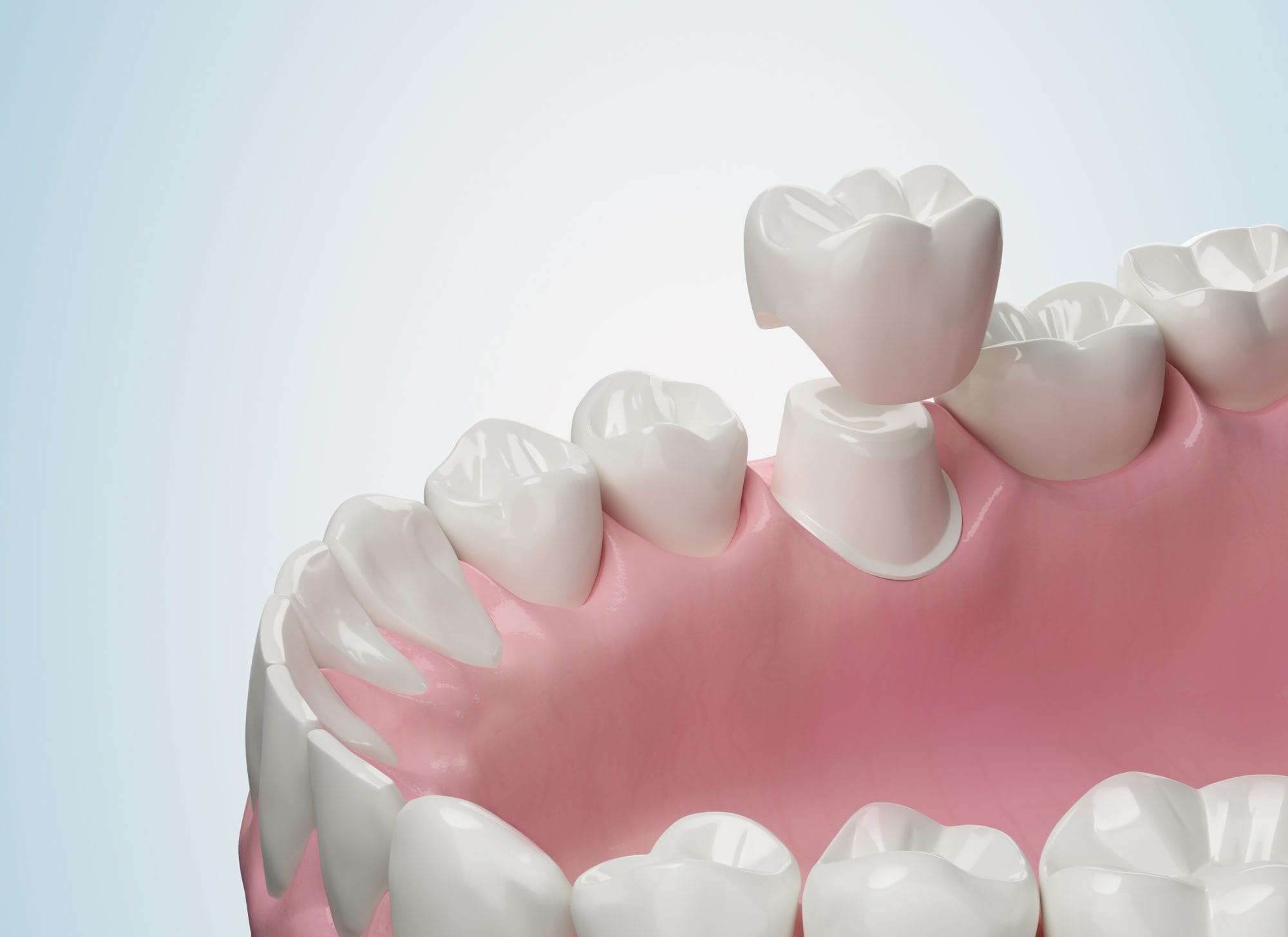
Cracked Tooth Season? How CEREC® Crowns Restore Your Smile in Just One Visit

Cracked Tooth Season? How CEREC® Crowns Restore Your Smile in Just One Visit

Cooler weather, fall sports, and seasonal treats often bring a surprising number of cracked teeth. Maybe you bit into a caramel apple, crunched on unpopped popcorn kernels, or took an accidental elbow during a weekend game. However it happens, a cracked or damaged tooth can leave you in pain and worried about what comes next.

At Haid Dental, we understand that the last thing you want is multiple appointments, messy impressions, or weeks of waiting for a new crown. That’s why we use advanced CEREC Crowns — a modern approach to cosmetic and restorative dentistry that lets us repair your tooth in a single visit with long-lasting, natural-looking results.

Why Fall Brings More Cracked Teeth

Autumn is full of smile-risking situations. Sticky candies and hard nuts can put extra pressure on your natural teeth, while cooler temperatures sometimes make tiny fractures worse. For athletes, the football and soccer seasons raise the chances of dental injuries. Even simple daily habits like chewing ice or grinding teeth during seasonal stress can damage enamel.

The good news? With today’s dental technology, you don’t have to suffer through weeks with a temporary crown or make a second visit to a dental laboratory. CEREC technology makes the entire process faster, easier, and more comfortable.

What Is a CEREC Crown?

The acronym CEREC stands for Chairside Economical Restoration of Esthetic Ceramics. In plain terms, it’s a ceramic crown created right in our dentist’s office during your appointment.

Instead of sending an impression to a lab and waiting weeks for the finished product, the CEREC system uses digital technology to design and mill your custom dental restoration while you relax in the dental chair. The result is a permanent crown that blends beautifully with your smile and restores the full function of your teeth in less time.

The CEREC Crown Procedure: What to Expect

When you come in for a CEREC crown procedure, here’s how the entire process works:

  1. Digital Impressions
    We take a quick scan with a small camera, eliminating the need for gooey, messy impressions. The scan creates highly accurate digital images of your natural tooth and surrounding teeth.
  2. Designing the Crown
    Using advanced CAD/CAM technology, your dentist creates a virtual model of your new crown. This ensures a better fit and a more natural look compared to many traditional crown methods.
  3. Milling the Crown
    A chairside milling unit carves the crown out of durable ceramic material. This step usually takes less than 30 minutes, so you spend less time in the office.
  4. Placing the Crown
    Once ready, the permanent restoration is bonded securely to your damaged tooth. With a quick polish, you’ll leave with a crown that feels like a perfect fit and functions like a natural tooth.

CEREC vs. Traditional Dental Crowns

Many patients are surprised to learn how different CEREC crowns are from traditional dental crowns.

  • Traditional dental crowns often require two or more dental visits, messy molds, and waiting weeks for a lab to create your permanent crown. In the meantime, you wear a fragile temporary crown that may break or come loose.
  • With CEREC technology, everything is done in one appointment. There’s no need for a second visit, no fragile temporary crown, and no extra time off work or school.

It’s no wonder CEREC has become a popular choice for patients looking for a good option that saves time without sacrificing quality.

Benefits of CEREC Crowns

Choosing a CEREC crown as your treatment option offers several advantages:

  • Single Appointment Convenience – Restore your tooth in a single visit without multiple trips to the dental office.
  • Natural Look and Feel – The combination of porcelain and ceramic material creates a natural look that blends seamlessly with your smile.
  • Reliable Restoration of Your Tooth – Strong enough to withstand everyday biting and chewing.
  • Custom Dental Restorations – Designed for a perfect fit that protects the function of your teeth and supports long-term oral health.
  • Modern Dental Technology – Scans, designs, and milling all happen chairside for a more comfortable experience.

When to Call Your Dentist

If you suspect a crack or notice sudden pain while chewing, don’t wait. The last thing you want is for a small issue to turn into a bigger dental problem requiring more complex dental procedures like a root canal or even a dental implant.

CEREC dentists at Haid Dental can quickly determine whether a CEREC crown is the right treatment option for you. In some cases, other types of crowns or dental services may be recommended depending on the different materials and needs of your smile.

Restoring Confidence in Just One Visit

At Haid Dental, our goal is to make sure every patient feels comfortable, informed, and cared for. If you’ve cracked a tooth this season—or if you’ve been putting off a dental crown procedure — our team is here with advanced CEREC technology and a supportive, judgment-free environment.

We treat you like family, not just a chart number. And we believe that the best smile is one that functions, feels, and looks natural again.

Schedule Your Appointment Today

Don’t let a cracked or damaged tooth keep you from enjoying fall gatherings, holiday treats, or your everyday meals. With CEREC crowns, you can walk into our dental practice with a broken tooth and walk out the same day with a strong, beautiful permanent restoration.

Schedule your appointment today

Sleep Apnea and Dentistry

Sleep Apnea and Dentistry: How Your Dentist Can Help You Sleep Better

Do you wake up tired, even after what should be a full night of sleep? Do your partner or family members notice loud snoring or pauses in your breathing at night? These could be signs of sleep apnea, a serious sleep disorder that affects millions of people in the U.S. every year.


What many people don’t realize is that your dentist may be one of the best professionals to turn to for help. At Haid Dental, our team offers sleep apnea treatment that can improve your breathing, restore your energy, and protect your overall health.


Let’s walk through what sleep apnea is, why it matters, and how dental care can be a key part of your treatment plan.


What Is Sleep Apnea?

Sleep apnea is a sleep disorder where your breathing repeatedly stops and starts during the night. These interruptions, called breathing patterns or breathing stops, lower your oxygen levels and prevent you from reaching the deep, restorative stages of sleep.


There are three main types of sleep apnea:

  • Obstructive sleep apnea (OSA): The most common form, caused when the throat muscles and upper airway collapse or relax too much during sleep. 
  • Central sleep apnea: A less common type where the brain doesn’t send the right signals to control breathing. 
  • Complex sleep apnea: A combination of obstructive and central sleep apnea. 

When left untreated, this serious sleep disorder can raise your blood pressure, strain your heart, and increase your risk of heart disease, heart attack, atrial fibrillation, and congestive heart failure.


Common Symptoms of Sleep Apnea

Because sleep apnea happens at night, many people don’t realize they have it until a partner notices unusual breathing interruptions. 


Here are some of the signs of sleep apnea to look out for:

  • Loud snoring or choking sounds during sleep 
  • Daytime sleepiness or constant fatigue 
  • Waking up with a dry mouth or sore throat 
  • Morning headaches 
  • Restless sleep or frequent waking 
  • Trouble concentrating during the day 
  • Mood changes or irritability 

If you notice these symptoms, or if you’re told your breathing pauses while you sleep, it’s important to get a sleep apnea test or home sleep apnea test to confirm a diagnosis.


Why Treating Sleep Apnea Matters for Your Health

Untreated sleep apnea is about more than feeling tired. The lack of oxygen and disrupted sleep can impact your entire body. 


People with sleep apnea are at a higher risk for:

  • High blood pressure 
  • Heart failure and other cardiovascular medical conditions 
  • Diabetes and insulin resistance 
  • Weight gain or difficulty losing weight 
  • Memory issues and reduced quality of life 

Your body depends on steady oxygen levels and balanced carbon dioxide levels while you rest. When these are out of sync, your heart, brain, and immune system are put under strain. Addressing sleep apnea not only helps you feel more alert, it protects your long-term health.


How Dentists Can Help With Sleep Apnea

Most people think of a sleep specialist or physician when they hear “sleep apnea.” While they play an important role, your dentist may be the provider who offers the most comfortable treatment option.

At Haid Dental, we offer sleep apnea treatment that works hand-in-hand with your physician or sleep specialist. Our role is to help identify concerns and provide solutions that support healthy breathing and restful sleep. Many dentists are trained to provide oral appliance therapy as an alternative to CPAP, and we can guide you in exploring whether this type of treatment may be right for you.


Compared to continuous positive airway pressure (CPAP therapy) machines, which deliver airway pressure through a mask, oral appliances are quieter, easier to travel with, and often more comfortable for patients with mild sleep apnea or moderate obstructive sleep apnea.


Our dentists work closely with your healthcare provider or sleep center to make sure your appliance fits into a personalized treatment plan that supports your overall well-being.


What to Expect From Sleep Apnea Treatment at Haid Dental

If you come to us with concerns about sleep apnea, we’ll start by listening to your symptoms and reviewing your medical history. In many cases, we’ll recommend working with your physician or a sleep specialist for a sleep study or home sleep apnea test, which confirms the type and severity of the condition.


Once you have a diagnosis, our team can discuss dental treatment options that may support your care, such as collaborating with your healthcare provider to explore oral appliances or other therapies. Throughout the process, we’ll stay involved in your care to answer questions, check your oral health, and help make sure your treatment plan supports both your sleep and your smile.


Lifestyle Support for Better Sleep

Along with dental treatment, certain lifestyle changes can help reduce the severity of sleep apnea:

  • Maintaining a healthy weight through diet and physical activity 
  • Avoiding alcohol or sedatives before bed 
  • Sleeping on your side instead of your back 
  • Keeping a consistent sleep schedule 

These steps can improve your sleep and support your overall quality of life, especially when combined with professional treatment.


Take the First Step Toward Better Sleep

If you’ve noticed the symptoms of sleep apnea or are struggling with CPAP, we encourage you to talk with our team.


Contact us today to schedule your consultation.

Seal the Deal on Cavity Prevention: Why Dental Sealants Aren’t Just for Kids

Seal the Deal on Cavity Prevention: Why Dental Sealants Aren’t Just for Kids

When you think of dental sealants, you might picture something for children getting their first permanent molars. It’s true. Sealants are a trusted preventive tool for kids, but they’re not just for younger smiles. In fact, teens and adults can benefit just as much from this simple, painless process that adds a protective shield against cavities.


At Haid Dental, we see sealants as an effective way to protect vulnerable surfaces of teeth, especially the chewing surfaces of the back teeth, where deep grooves and deep depressions can trap food particles and bacteria. Whether you’re looking to help your child start a lifetime of good oral health or you’re hoping to avoid future fillings yourself, sealants can play an important role in your long-term dental care.


What Are Dental Sealants?

Sealants are a thin, tooth-colored dental material that’s applied directly to the chewing surfaces of teeth, usually the molars and premolars. Think of them as a physical barrier that locks out the bacteria and food debris that lead to tooth decay.


The sealant material flows into all the vulnerable areas of the tooth, sealing off those tiny, deep grooves that your toothbrush bristles can’t always reach. Even with daily brushing using fluoride toothpaste and regular dental hygiene appointments, some spots are just harder to keep clean. That’s where sealants step in as extra protection.


Why Adults Can Benefit Too

We often recommend dental sealant placement for children once their permanent teeth come in. But adults aren’t immune to cavities in those same chewing surfaces of the back teeth – especially if those teeth have never been sealed before.


You may benefit from sealants if you:

  • Have deep pits or fissures in your molars.
  • Have a history of cavities.
  • Want to preserve natural tooth structure for as long as possible.

Sealants help prevent the need for more complex restorative dentistry down the road, like fillings, dental crowns, or root canals. By protecting the tooth surface now, you’re investing in your long-term oral health.


The Simple, Painless Process

If you’ve never had sealants before, here’s what to expect during your visit to our dental office in Dublin:

  1. Cleaning the Tooth – Your dental professional will thoroughly clean the tooth surface to remove any plaque or debris.
  2. Preparing the Enamel – A gentle etching gel is applied to help the sealant material bond securely to your tooth enamel.
  3. Applying the Sealant – The liquid material is brushed onto the chewing surfaces of the teeth.
  4. Curing the Material – A special light hardens the sealant, creating a smooth, durable protective shield.

That’s it. No drilling, no needles, no discomfort. You can eat and drink normally right after the appointment.


Safety and Sealant Materials

Some patients ask about bisphenol A (BPA) in sealants. The American Dental Association notes that dental sealants may contain a very low level of BPA, so low that it’s considered safe for both children and adults. The benefits of cavity prevention far outweigh any minimal exposure.


How Long Do Sealants Last?

With proper care,  good brushing and flossing habits, and avoiding excessive wear, sealants can last for many years. We’ll check your new sealants at each visit to make sure they’re still intact and protecting your dental health.


If a sealant ever chips or wears down, it can be easily repaired or replaced.


Sealants and Baby Teeth

While sealants are most often placed on permanent molars, they can also be used on baby teeth in cases where the child is at higher risk for cavities. This can help protect the tooth until it naturally falls out, supporting healthy development and alignment of the permanent teeth.


A Preventive Step With Big Benefits

Sealants are one of the easiest, most cost-effective tools in preventive dentistry. 


They help you avoid:

  • Pain and expense of cavities.
  • Loss of healthy tooth structure from drilling.
  • More involved treatments like fillings, dental crowns, or root canals.

In short, they help keep your smile healthy, functional, and confident for years to come.


Protect Your Smile at Haid Dental

At Haid Dental, we provide personalized recommendations for every patient, explaining your options so you can feel confident in your dental care decisions. 


We’ll help you keep your smile strong and healthy for the long haul. Schedule your visit and learn how sealants can support your good oral health at any age.