Dental Bridges: Your Path to a Healthy Smile
Are you dealing with the gap left by a missing tooth? A gap in your smile can affect your confidence, your ability to chew, and your overall dental health. Fortunately, you don't have to live with it. A dental bridge is an effective and reliable solution that literally "bridges the gap" between your teeth.
At Dublin Dental Group in Dublin, OH, our team of experienced general dentists, Dr. Tara Haid and Dr. Lisa Johnson, are dedicated to helping adult patients restore their smiles, protect their oral health, and regain complete chewing and speaking function. Whether you’ve lost one tooth or several, a dental bridge offers an excellent way to replace missing tooth structures and support your long-term dental health.
What is a Dental Bridge?
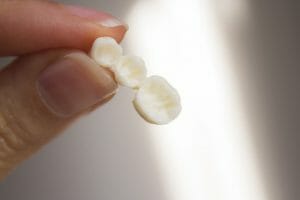
A dental bridge is a type of dental restoration designed to fill in the space created by a missing tooth (or missing teeth). It consists of an artificial tooth (or “pontic”) positioned in the gap, and one or more crowns placed on the natural teeth or implants on either side of that gap (the “abutment teeth”). This fixed appliance literally “bridges” the space left by the missing tooth, restoring both function and appearance. At our dental office, Dr. Haid,and Dr. Johnson will carefully evaluate your case and explain how this form of dental service works for you.
Who is a Good Candidate for a Dental Bridge?
If you have lost a tooth due to trauma, tooth decay, gum disease, or tooth loss and your adjacent natural teeth are healthy enough, you may be an excellent candidate for a dental bridge. The key requirements are healthy abutment teeth (or implants) on both sides of the gap, good gum and jawbone condition, and an absence of uncontrolled oral health issues, such as advanced gum disease. Our team assesses the condition of your adjacent teeth, the side of the gap, the shape of your face, and overall dental health before recommending a type of bridge or alternative treatment.
How Does a Bridge Replace a Missing Tooth?
When you lose a tooth, the surrounding natural teeth can begin to shift, bite forces can become unbalanced, and your gum and bone health may decline. A dental bridge replaces the missing tooth by anchoring the false tooth to the abutment teeth on each side of the missing tooth space. The crowns placed on the adjacent teeth provide stability, while the false tooth portion restores the missing tooth’s function. In effect, the bridge restores your ability to chew and speak properly, prevents the adjacent natural teeth from drifting, and maintains the shape of your face and dental arch.
Types of Dental Bridges: Understanding Your Options
When it comes to selecting the right type of dental bridge—what we call the types of dental bridges—it’s essential to understand your options. At Dublin Dental Group in Dublin, we may present several types of bridges, including:
- Traditional dental bridge – This is the most common type of bridge. It uses one or more false teeth with crowns on both sides, anchored to adjacent natural teeth.
- Cantilever bridge – Used when there are adjacent teeth only on one side of the missing tooth. This type of bridge anchors to one side only (which may limit its use) and so is less common.
- Maryland bridge (resin-bonded bridge) – A more conservative alternative that uses a metal or porcelain framework with wings bonded to the back of adjacent natural teeth (often used for front teeth where cosmetic concerns are prominent).
- Implant-supported bridge – In cases where adjacent natural roots aren’t strong or you prefer a longer-term solution, dental implants can be used to support the bridge instead of relying solely on natural teeth.
Dr. Haid and Dr. Johnson may recommend a type of bridge based on the side of the missing tooth, condition of your neighboring teeth, front of the mouth or back teeth location, and other oral health issues such as gum disease.
What Are the Advantages and Disadvantages of Dental Bridges?
A dental bridge offers a relatively fast and efficient dental restoration for missing teeth. It restores chewing and speaking function, prevents adjacent teeth from shifting, and helps maintain proper bite alignment. It can also improve the shape of your face and support healthy teeth next to the gap. With modern materials like porcelain or ceramic bridges, the artificial tooth blends smoothly with your natural teeth.
Because a traditional bridge requires the reduction of adjacent natural teeth to place crowns, it can expose those teeth to future risks, such as tooth decay or sensitivity. Also, if the abutment teeth or underlying gum/bone are not in excellent condition, the bridge's longevity may be compromised. Additionally, compared to a single dental implant, a bridge may not preserve the jawbone in the same way. If adjacent natural teeth fail later on, the entire restoration may need replacement.
How Long Does a Dental Bridge Typically Last?
The lifespan of a dental bridge depends significantly on your oral hygiene, regular checkups, and the condition of your abutment teeth and gums. On average, bridges can last between 5 and 15 years or even longer when well-maintained. At Dublin Dental Group in Dublin, OH, we emphasise proper care, regular monitoring, and early intervention to maximise the life of your restoration.
Our Dental Bridge Procedure
At Dublin Dental Group, our dental bridge procedure is designed to be as comfortable and efficient as possible. The process, led by Dr. Tara Haid and Dr. Lisa Johnson, typically spans two appointments.
Consultation & Examination
Dublin Dental Group Dublin Dentists will evaluate your missing tooth, adjacent natural teeth, gum and bone health, and any oral health issues like tooth decay or gum disease.
Preparation of Abutment Teeth
The adjacent natural teeth on both sides of the gap are prepared by removing a portion of their enamel to allow crowns to fit securely.
Dental Impressions
A precise dental impression is taken of your teeth and the missing-tooth gap, and sent to a dental lab where the bridge and crowns will be fabricated.
Temporary Bridge Placement
While you wait for the permanent bridge, you may receive a temporary bridge to protect the adjacent teeth and maintain function and appearance.
Final Placement
Once the permanent bridge arrives, our dentist checks the fit, adjusts the bite if needed, and cements the crowns and false tooth into place.
Follow-Up & Care
You’ll return to our Dublin office for review, and we’ll give you instructions on cleaning, maintenance, and regular checkups to monitor the restoration’s health.
Comparing Dental Bridges to Dental Implants and Dentures
When comparing a dental bridge to other solutions like dental implants or partial/complete dentures, several factors come into play:
- Dental implants involve placing a titanium post into the jawbone and then attaching an artificial tooth. They often offer the most durable, bone-preserving solution but require surgery, healing time, and sufficient bone support.
- Dentures (partial or complete) can replace multiple missing teeth and are removable, making them more versatile for larger gaps. However, they may be less comfortable or stable, especially in the long run, and can require more maintenance.
- A dental bridge falls somewhere in the middle: it is a fixed appliance, more stable than a removable denture, but it relies on adjacent natural teeth or implants, and it may not stimulate the jawbone in quite the same way as an implant. Our team at Dublin Dental Group will discuss with you which dental restoration is the best decision based on your dental health, adjacent natural roots, budget, dental insurance, and long-term goals.
Proper Care for Your Dental Bridge
Just like your natural healthy teeth, a dental bridge requires consistent care to ensure it lasts. Brush twice daily, floss around and underneath the fake tooth portion, and schedule regular checkups with Dr. Haid, or Dr. Johnson in Dublin, OH. Avoid chewing tough foods on the side of the bridge, and keep up with gum-health monitoring since gum disease or tooth decay in the abutment teeth can compromise the bridge. Let us know if you notice any looseness, discomfort, or changes in bite—early attention can prevent the need for more extensive restoration later.
Why Choose Dublin Dental Group in Dublin for Your Bridge?
At Dublin Dental Group, we combine compassionate care with advanced dental technologies to provide excellent restorative services for adult patients in Dublin, OH. Our practice is centered around your comfort and long-term dental health. Dr. Haid and Dr. Johnson bring extensive experience in adult dental services—including fillings, crowns, dental implants, and bridges—in a warm, adult-centric environment. We will walk you through the different types of bridges, explain dental bridge procedures clearly, and make sure you feel confident about the materials, process, and maintenance of your restoration.
Take the Next Step Toward Restoring Your Smile
If you’re dealing with tooth loss and wondering how to proceed, let’s talk. A dental bridge may be the perfect solution to replace missing teeth, protect your oral health, and help you enjoy everyday functions like chewing and smiling again with confidence. Call our Dublin, OH dental office at 614-889-7661 to schedule an appointment with our team today!