You Brush Every Day, So Why Are Cavities Still Showing Up?
If you’ve ever left a dental appointment thinking, “I do everything right… so why am I getting another cavity?” you’re not alone. Cavities are common, and they’re not a character flaw. Your daily routine matters, but small gaps in technique, lifestyle habits, and even your body’s natural makeup can increase your cavity risk.
If you’ve been Googling why do I keep getting cavities, you’re asking a smart question. Let’s walk through the most common reasons, what you can adjust at home, and how preventive dentistry at Dublin Dental Group can help you stay ahead of tooth decay with a plan built around you.
Why do I keep getting cavities even with good oral hygiene?
Even if you brush daily, plaque can still build up in hard-to-reach areas, especially around the gum line and back teeth. Your enamel may also face repeated acid attacks from snacks, drinks, or dry mouth. Small issues add up, and early detection matters.
Brushing daily helps, but “regular brushing” has details that matter
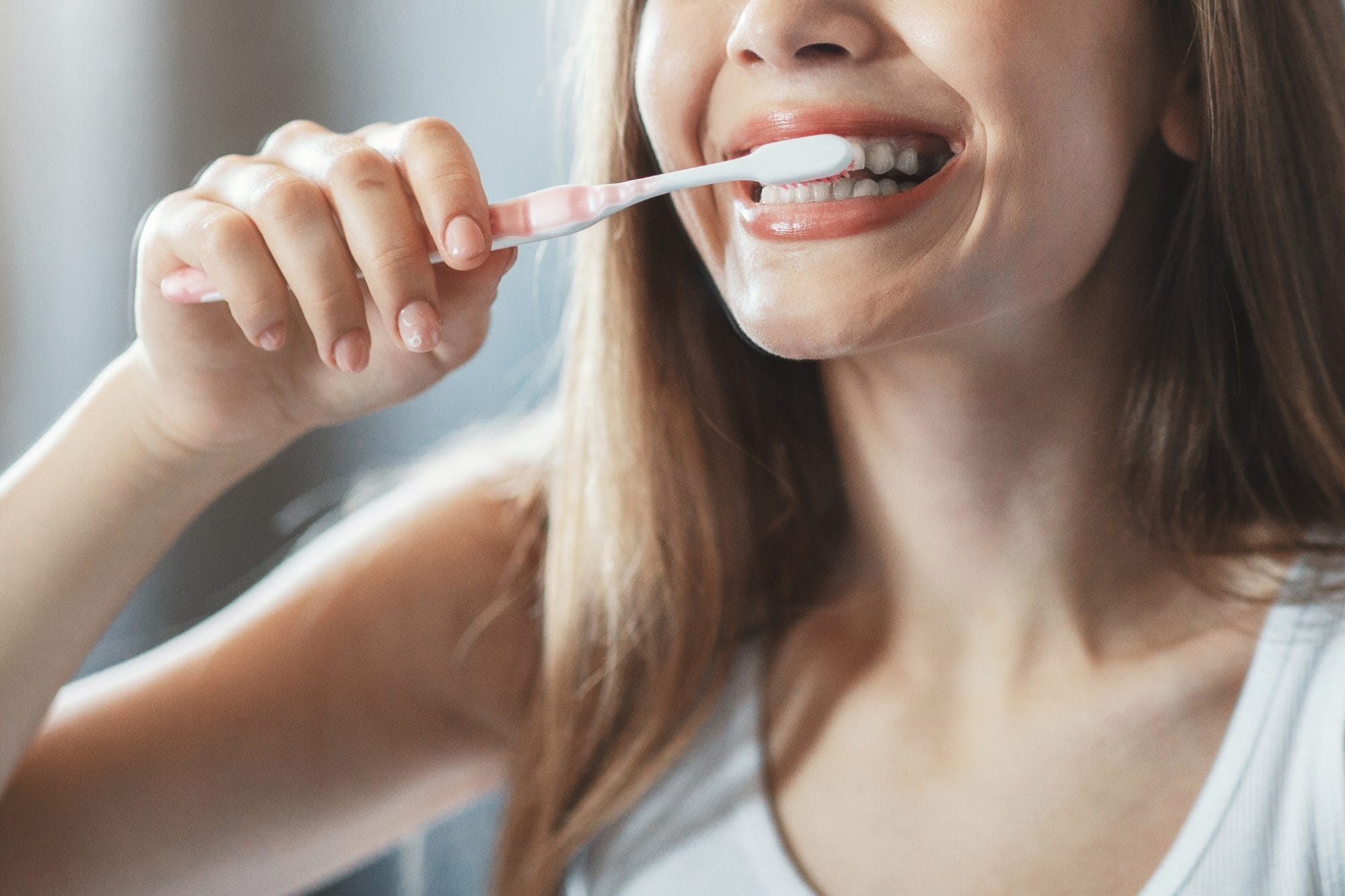
Many patients have good oral hygiene intentions but miss spots where cavities like to start. Brushing quickly, using too much pressure, or skipping certain angles can leave food particles and harmful bacteria behind. Those bacteria feed on sugars and starches, producing acid that weakens enamel over time.
Try a quick self-check in the mirror tonight. Are you reaching the gum line where plaque hides? Are you spending enough time on each tooth’s surface, especially the molars? Proper oral hygiene often comes down to consistency plus technique, not effort alone.
The sneaky culprit: plaque buildup between teeth
Even if your toothbrush is doing a solid job, it can’t fully clean between teeth. That space is a favorite place for cavities to begin because bacteria settle in and stay undisturbed. Over time, plaque buildup can harden and create higher risk conditions for decay.
If flossing isn’t part of your routine yet, you’re simply learning where cavities like to hide. Start small, build the habit, and ask your hygienist for tips that fit your hands, schedule, and comfort level.
Dry mouth and low saliva flow can raise your risk of tooth decay
Saliva plays a vital role in protecting your teeth. It washes away food particles, neutralizes acids, and delivers minerals that support enamel strength. When you have dry mouth, harmful bacteria thrive, and your cavity risk rises.
Dry mouth can happen for many reasons, including medications, stress, mouth breathing, or not hydrating enough. A simple daily goal helps: drink plenty of water throughout the day. Water supports saliva flow and helps your mouth recover from acidic foods and sugary snacks.
“Healthy” snacking habits can still trigger acid attacks
Cavities aren’t just about candy. Frequent snacking, even on foods that seem nutritious, can keep your mouth in a steady cycle of acid attacks. The more often you eat, the more often bacteria produce acids that soften enamel, especially if the snack has hidden sugar content or breaks down into sugars quickly.
Common cavity-friendly snacks include:
- Sugary foods and snacks (cookies, gummies, granola bars)
- Starchy foods (crackers, chips, pretzels)
- Dried fruit and “sticky” snacks that cling to teeth
- Acidic foods and drinks (citrus, soda, sports drinks)
A balanced diet helps your oral health, and timing matters too. If you snack often, drink water afterward and maintain consistent oral hygiene habits rather than grazing all day.
Your toothbrush and toothpaste choice can make a difference
A soft-bristled toothbrush and fluoride toothpaste support proper care without irritating gums. Brushing too hard can contribute to gum recession, exposing areas that are more sensitive and vulnerable to decay. That doesn’t mean you caused the problem; it simply means your mouth may need a gentler approach.
Fluoride treatments and at-home fluoride toothpaste help strengthen enamel and make it more resistant to decay. If you’re getting cavities repeatedly, ask at your next visit whether additional fluoride support fits your needs.
Weaker enamel, genetics, and the way your mouth is built
Sometimes cavities keep showing up because your teeth are working with a tougher starting point. We see patients with weaker enamel or a genetic predisposition to cavities, even with good oral hygiene. Genetics can influence enamel quality, saliva characteristics, and how your immune system responds to bacteria.
You might also have deeper grooves on your chewing surfaces, particularly on back teeth. Those grooves trap food particles easily and can be difficult to clean thoroughly with a toothbrush alone. That combination can raise your cavity risk even with a steady brushing routine.
Dental sealants: extra protection where cavities love to start
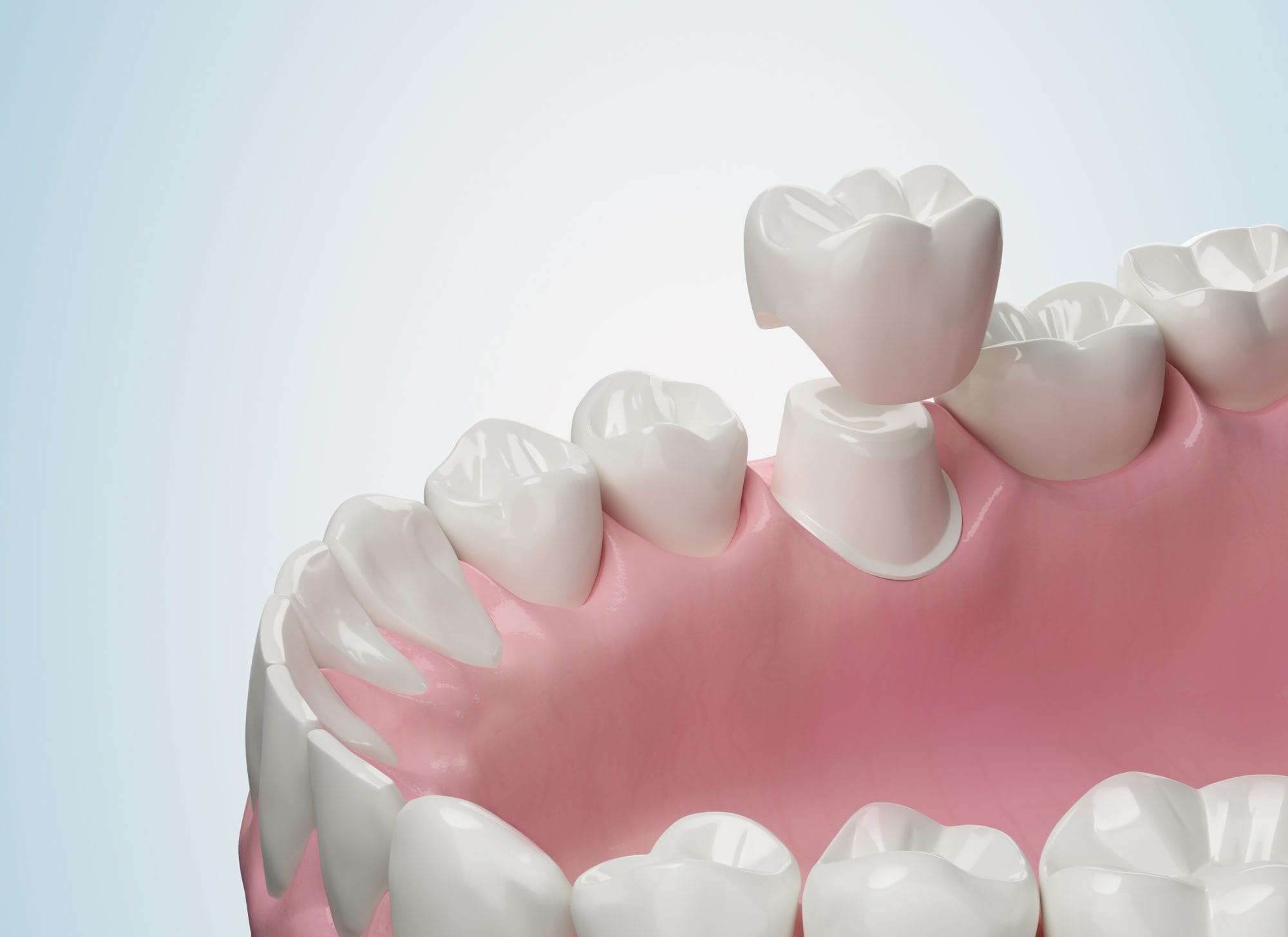
Dental sealants are a protective coating placed on the chewing surfaces of teeth, especially helpful for back teeth where grooves and pits catch plaque. Sealants create a barrier that blocks bacteria and food from settling into those areas, lowering cavity risk and protecting the tooth’s surface.
At Dublin Dental Group, sealants are often placed early in the development of teeth, and adults can also be good candidates depending on their oral health history. If you’re consistently getting cavities in molars, sealants may be a practical way to protect vulnerable surfaces as part of preventive dentistry.
What a dental hygiene appointment can catch in the early stages
Even with excellent home routines, you can’t remove all buildup on your own. Dental hygiene appointments allow professional cleaning to remove plaque and tartar that brushing and flossing may miss. These visits also support early detection, when tooth decay can be addressed before further damage requires bigger treatment options.
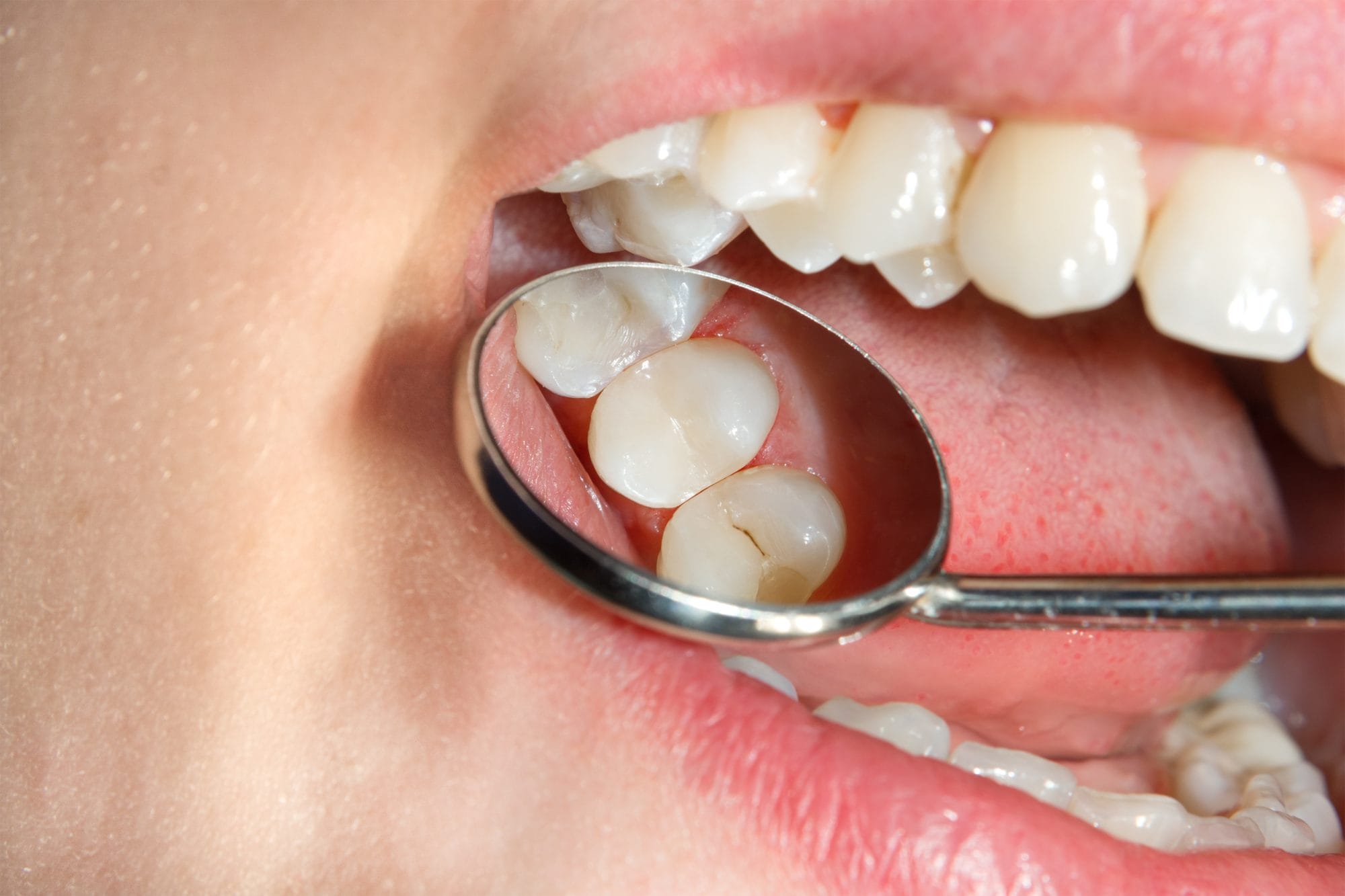
At Dublin Dental Group, dental hygiene appointments are recommended twice yearly for most patients. During your visit, your hygienist and dentist check your teeth, gums, and overall dental health, and they will talk through what they’re seeing in a clear, supportive way. If you need dental fillings, the goal is to catch the problem early and protect as much healthy tooth structure as possible.
A realistic “cavity-proofing” routine you can actually keep up with
You don’t need a complicated routine to reduce your cavity risk. You need a plan that fits your real life and supports proper oral hygiene day after day. Here are a few habits that make a meaningful difference:
- Brush twice daily with fluoride toothpaste and spend time along the gum line.
- Clean between teeth daily to reduce plaque buildup where cavities start.
- Drink plenty of water to support saliva flow, especially if you notice dry mouth.
- Limit frequent sugary snacks and starchy foods, and be mindful of sugar content.
- Schedule regular preventive dentistry visits for cleanings, exams, and early detection.
- Ask about dental sealants or fluoride treatments if you have a higher risk history.
If you’ve fallen off track, you’re still welcome here. Whether it’s been six months or six years, our team focuses on progress, not perfection.
When cavities happen, it’s a signal, not a setback
If you’ve been thinking, “why do I keep getting cavities,” the most helpful next step is figuring out your personal pattern. Maybe it’s dry mouth, frequent snacking, or a couple of spots you’re consistently missing while brushing. Maybe your enamel strength needs extra support. The point is that tooth decay is not random, and you deserve answers that make sense.
Preventive dental care works best when it’s personalized. At Dublin Dental Group, we take time to listen, look closely, and recommend next steps that fit your needs and comfort level, including support through routine dental hygiene appointments and protective options like sealants.
Ready for a judgment-free preventive visit in Dublin or Worthington?
If you’re tired of surprises at checkups and want a clearer plan for preventing cavities, we’re here for you. Dublin Dental Group offers preventive dentistry focused on long-term oral health, with gentle dental hygiene appointments, guidance on oral hygiene habits, and added protection like dental sealants when appropriate.
Schedule an appointment today.