You Brush Every Day, So Why Are Cavities Still Showing Up?

You Brush Every Day, So Why Are Cavities Still Showing Up?

If you’ve ever left a dental appointment thinking, “I do everything right… so why am I getting another cavity?” you’re not alone. Cavities are common, and they’re not a character flaw. Your daily routine matters, but small gaps in technique, lifestyle habits, and even your body’s natural makeup can increase your cavity risk.

If you’ve been Googling why do I keep getting cavities, you’re asking a smart question. Let’s walk through the most common reasons, what you can adjust at home, and how preventive dentistry at Haid Dental can help you stay ahead of tooth decay with a plan built around you.

Why do I keep getting cavities even with good oral hygiene?

Even if you brush daily, plaque can still build up in hard-to-reach areas, especially around the gum line and back teeth. Your enamel may also face repeated acid attacks from snacks, drinks, or dry mouth. Small issues add up, and early detection matters.

Brushing daily helps, but “regular brushing” has details that matter

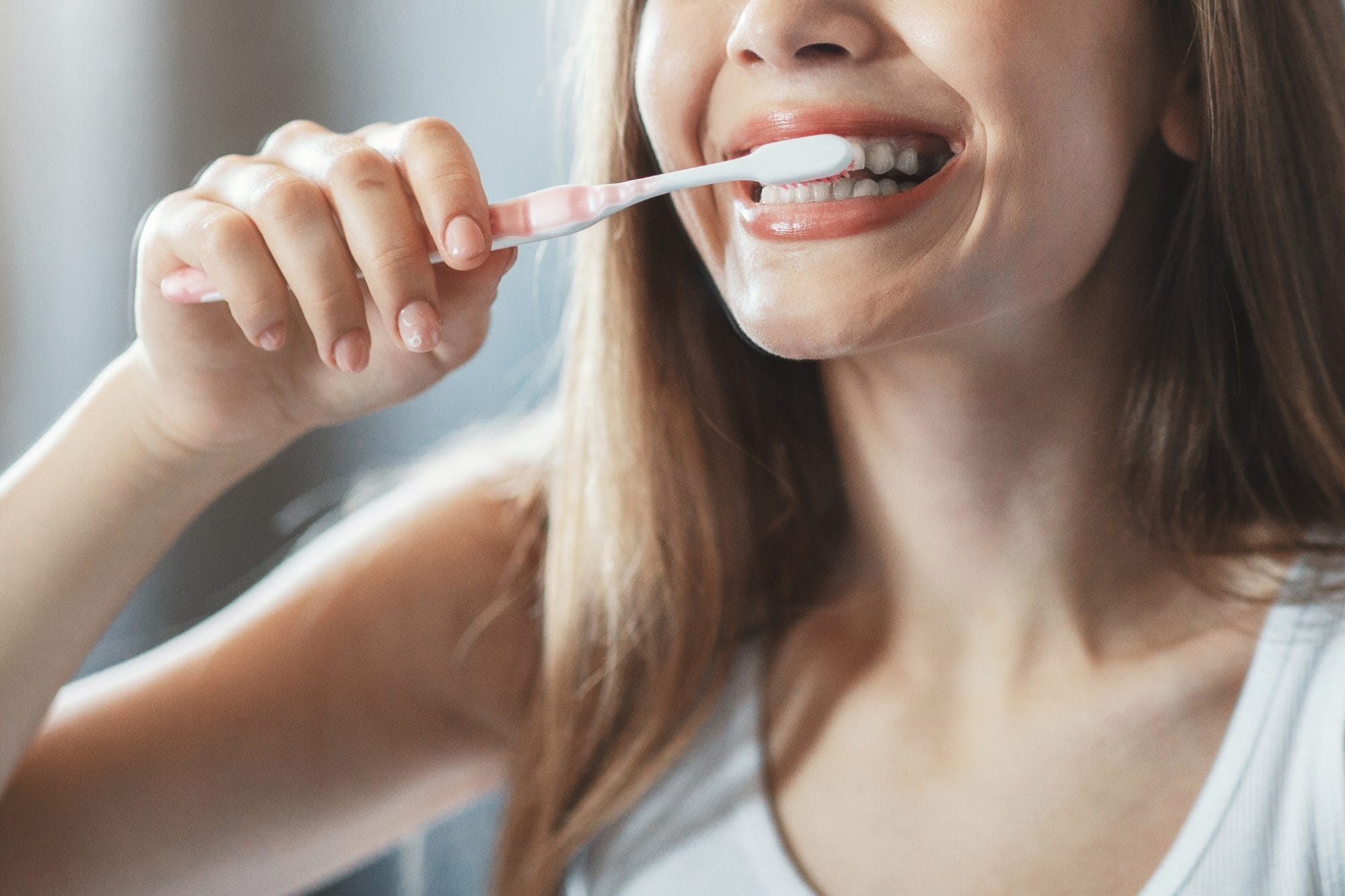
Many patients have good oral hygiene intentions but miss spots where cavities like to start. Brushing quickly, using too much pressure, or skipping certain angles can leave food particles and harmful bacteria behind. Those bacteria feed on sugars and starches, producing acid that weakens enamel over time.

Try a quick self-check in the mirror tonight. Are you reaching the gum line where plaque hides? Are you spending enough time on each tooth’s surface, especially the molars? Proper oral hygiene often comes down to consistency plus technique, not effort alone.

The sneaky culprit: plaque buildup between teeth

Even if your toothbrush is doing a solid job, it can’t fully clean between teeth. That space is a favorite place for cavities to begin because bacteria settle in and stay undisturbed. Over time, plaque buildup can harden and create higher risk conditions for decay.

If flossing isn’t part of your routine yet, you’re simply learning where cavities like to hide. Start small, build the habit, and ask your hygienist for tips that fit your hands, schedule, and comfort level.

Dry mouth and low saliva flow can raise your risk of tooth decay

Saliva plays a vital role in protecting your teeth. It washes away food particles, neutralizes acids, and delivers minerals that support enamel strength. When you have dry mouth, harmful bacteria thrive, and your cavity risk rises.

Dry mouth can happen for many reasons, including medications, stress, mouth breathing, or not hydrating enough. A simple daily goal helps: drink plenty of water throughout the day. Water supports saliva flow and helps your mouth recover from acidic foods and sugary snacks.

“Healthy” snacking habits can still trigger acid attacks

Cavities aren’t just about candy. Frequent snacking, even on foods that seem nutritious, can keep your mouth in a steady cycle of acid attacks. The more often you eat, the more often bacteria produce acids that soften enamel, especially if the snack has hidden sugar content or breaks down into sugars quickly.

Common cavity-friendly snacks include:

  • Sugary foods and snacks (cookies, gummies, granola bars)
  • Starchy foods (crackers, chips, pretzels)
  • Dried fruit and “sticky” snacks that cling to teeth
  • Acidic foods and drinks (citrus, soda, sports drinks)

A balanced diet helps your oral health, and timing matters too. If you snack often, drink water afterward and maintain consistent oral hygiene habits rather than grazing all day.

Your toothbrush and toothpaste choice can make a difference

A soft-bristled toothbrush and fluoride toothpaste support proper care without irritating gums. Brushing too hard can contribute to gum recession, exposing areas that are more sensitive and vulnerable to decay. That doesn’t mean you caused the problem; it simply means your mouth may need a gentler approach.

Fluoride treatments and at-home fluoride toothpaste help strengthen enamel and make it more resistant to decay. If you’re getting cavities repeatedly, ask at your next visit whether additional fluoride support fits your needs.

Weaker enamel, genetics, and the way your mouth is built

Sometimes cavities keep showing up because your teeth are working with a tougher starting point. We see patients with weaker enamel or a genetic predisposition to cavities, even with good oral hygiene. Genetics can influence enamel quality, saliva characteristics, and how your immune system responds to bacteria.

You might also have deeper grooves on your chewing surfaces, particularly on back teeth. Those grooves trap food particles easily and can be difficult to clean thoroughly with a toothbrush alone. That combination can raise your cavity risk even with a steady brushing routine.

Dental sealants: extra protection where cavities love to start

Dental sealants are a protective coating placed on the chewing surfaces of teeth, especially helpful for back teeth where grooves and pits catch plaque. Sealants create a barrier that blocks bacteria and food from settling into those areas, lowering cavity risk and protecting the tooth’s surface.

At Haid Dental, sealants are often placed early in the development of teeth, and adults can also be good candidates depending on their oral health history. If you’re consistently getting cavities in molars, sealants may be a practical way to protect vulnerable surfaces as part of preventive dentistry.

What a dental hygiene appointment can catch in the early stages

Even with excellent home routines, you can’t remove all buildup on your own. Dental hygiene appointments allow professional cleaning to remove plaque and tartar that brushing and flossing may miss. These visits also support early detection, when tooth decay can be addressed before further damage requires bigger treatment options.

At Haid Dental, dental hygiene appointments are recommended twice yearly for most patients. During your visit, your hygienist and dentist check your teeth, gums, and overall dental health, and they will talk through what they’re seeing in a clear, supportive way. If you need dental fillings, the goal is to catch the problem early and protect as much healthy tooth structure as possible.

A realistic “cavity-proofing” routine you can actually keep up with

You don’t need a complicated routine to reduce your cavity risk. You need a plan that fits your real life and supports proper oral hygiene day after day. Here are a few habits that make a meaningful difference:

  • Brush twice daily with fluoride toothpaste and spend time along the gum line.
  • Clean between teeth daily to reduce plaque buildup where cavities start.
  • Drink plenty of water to support saliva flow, especially if you notice dry mouth.
  • Limit frequent sugary snacks and starchy foods, and be mindful of sugar content.
  • Schedule regular preventive dentistry visits for cleanings, exams, and early detection.
  • Ask about dental sealants or fluoride treatments if you have a higher risk history.

If you’ve fallen off track, you’re still welcome here. Whether it’s been six months or six years, our team focuses on progress, not perfection.

When cavities happen, it’s a signal, not a setback

If you’ve been thinking, “why do I keep getting cavities,” the most helpful next step is figuring out your personal pattern. Maybe it’s dry mouth, frequent snacking, or a couple of spots you’re consistently missing while brushing. Maybe your enamel strength needs extra support. The point is that tooth decay is not random, and you deserve answers that make sense.

Preventive dental care works best when it’s personalized. At Haid Dental, we take time to listen, look closely, and recommend next steps that fit your needs and comfort level, including support through routine dental hygiene appointments and protective options like sealants.

Ready for a judgment-free preventive visit in Dublin or Worthington?

If you’re tired of surprises at checkups and want a clearer plan for preventing cavities, we’re here for you. Haid Dental offers preventive dentistry focused on long-term oral health, with gentle dental hygiene appointments, guidance on oral hygiene habits, and added protection like dental sealants when appropriate.

Schedule an appointment today.
Missing Teeth Change More Than Your Smile: How Tooth Loss Affects Your Health Over Time

Missing Teeth Change More Than Your Smile: How Tooth Loss Affects Your Health Over Time

Noticing a gap in your smile can bring up a lot of feelings. You might worry about how you look in photos, how you sound when you talk, or whether people will notice. At Haid Dental, we want you to know you are not alone, and you are always welcome here, whether it’s been six months or six years since your last dental care visit.

Missing teeth affect your daily comfort and long-term oral health in ways that are easy to overlook at first. Tooth loss can change how you chew, how your remaining teeth fit together, and even how your jawbone stays strong. The good news is that you have supportive treatment options, and our team in Dublin and Worthington, Ohio is here to help you choose a tooth replacement plan that fits your goals and your life.

Why a missing tooth affects more than the smile you see

A missing tooth changes the balance of your bite right away. Your natural teeth work as a team, so when one adult tooth is gone, the teeth next to it and the teeth above or below it take on extra work. Over time, that shift can contribute to dental problems such as uneven wear, small chips, or jaw pain from changes in how your bite closes.

You may also notice changes in how food breaks down when you chew. That can make a balanced diet harder to maintain, especially if you start avoiding healthier foods that require more chewing. If you already deal with sensitivity or gum tenderness, the side of the space can become a trouble area for plaque buildup, which increases your risk for oral health issues.

What causes tooth loss in adults?

Tooth loss usually has a story behind it, and it is rarely about one single factor. The leading cause of tooth loss in adults is often periodontal disease, which is advanced gum disease that damages the support around a tooth. Tooth decay can also lead to a lost tooth if the infection becomes severe or the tooth structure breaks down too much to save.

Other causes of tooth loss can include:

  • Poor oral hygiene that allows harmful bacteria to thrive around the gums and tooth surfaces
  • Poor nutrition that makes it harder for your body to support healing and healthy gum tissue
  • Sports injuries or other trauma that fractures a permanent tooth
  • Environmental factors like chronic dry mouth, certain medications, or high stress that can contribute to decay and gum inflammation

Missing wisdom teeth are very common because those teeth are often removed or never develop. However, missing permanent teeth in the front of your smile, such as upper lateral incisors or lower central incisors, can affect function and spacing in a more noticeable way.

How missing teeth can lead to bone loss in the lower jaw

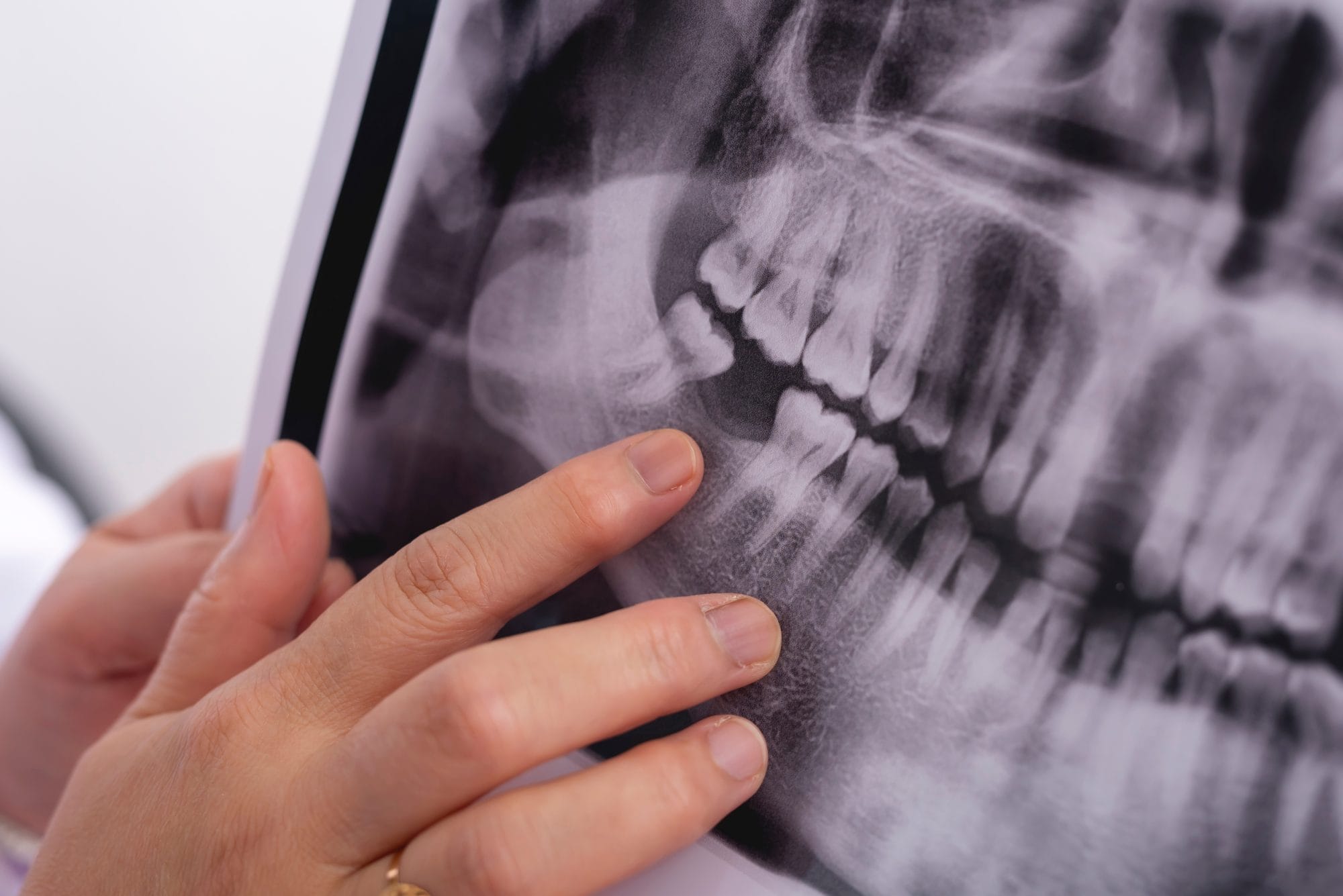
Your jawbone stays strong through stimulation from chewing, and that stimulation comes through the root of a natural tooth. When a permanent tooth is missing, the bone in that area no longer gets the same signal to maintain its shape and density. That process is commonly called bone loss, and it can happen gradually after tooth loss.

Bone changes can affect how your smile looks and how replacement teeth fit. For example, as the ridge of bone shrinks, the gums and facial support in that area can change, which may influence speech and the way your lips are supported. It can also make some tooth replacement approaches more complex later, which is why the first step is often simply coming in for an evaluation and a conversation.

Can missing teeth cause gum disease and tooth decay nearby?

Yes, missing teeth can raise the risk of gum problems and decay for the remaining teeth. Spaces can trap food more easily, and the teeth next to a gap can tilt slightly, creating areas that are harder to clean. If plaque buildup sits along the gumline, gum disease can progress and put more adult teeth at risk.

How long can you leave a missing tooth before it causes problems?

Timing varies for each person, but changes often start earlier than you expect. Within months, the remaining teeth can begin shifting, and your bite can feel “off” even if you cannot see movement in the mirror. Bone loss also tends to progress after tooth loss, which can affect future replacement option choices if you wait too long.

How your remaining teeth shift (and why your bite feels different)

Teeth want to touch their neighbors. When there is a gap, the teeth on either side of the space may drift, and the tooth above or below can over-erupt into the open area. That movement can strain the way your teeth fit together and make chewing less efficient.

You may notice you chew more on one side, or you avoid the area completely. That compensation can contribute to jaw pain, headaches, or sore muscles, especially if you already clench or grind. We also see patients who start with one missing tooth and later develop cavities, cracks, or gum recession around the nearby natural teeth due to the stress and cleaning challenges created by the space.

Tooth replacement options: what restorative dentistry can do

Restorative dentistry focuses on helping you chew comfortably, speak clearly, and protect long-term oral health. At Haid Dental, we take time to talk through your goals, your timeline, and your comfort needs so you can make a confident decision. Your treatment options depend on the tooth location (front teeth versus back teeth), the health of the remaining teeth and gums, and the amount of bone available.

Here are common tooth replacement paths we may discuss with you:

  • Dental bridges: A fixed bridge can replace a missing tooth by anchoring to the teeth next to the space. It can feel stable and natural when planned well, and it can be a good choice for certain situations.
  • Dental implant: A dental implant replaces the root of the tooth and supports a crown that looks and functions like a natural tooth. You may hear your dentist mention the top of the implant, which is the part that ultimately supports the visible tooth portion.
  • Implant-supported dentures: If you are missing several teeth, implant-supported dentures can offer a more secure fit than traditional dentures for many patients. This approach helps with stability during eating and speaking and can support quality of life.

Some patients come in feeling embarrassed, especially if they have fewer permanent teeth than they used to, or if they have been living with gaps for years. We keep the focus on solutions and comfort, with clear explanations and judgment-free support.

Prevention still matters, even after tooth loss

Replacing a tooth is important, and prevention remains the foundation. Regular visits help us monitor your gums, check for early decay, and make sure your replacement teeth and natural teeth are working well together. If you have had extractions, missing permanent teeth, or ongoing gum concerns, consistent care can protect your investment and help you avoid new dental problems.

A few prevention-focused habits that make a real difference include:

  • Keeping up with regular dental visits and hygiene appointments to reduce harmful bacteria
  • Brushing and flossing carefully around the gums and any fixed bridge or implant areas
  • Wearing mouthguards for sports injuries if you play contact sports or have a history of dental trauma
  • Talking with us about clenching or grinding if you have jaw pain or morning headaches

If you are dealing with gaps related to earlier transitions like baby teeth issues, a baby tooth that stayed too long, or a missing permanent tooth that never came in, we can also help you explore solutions that support long-term function.

Ready to talk through next steps? We’re here when you’re ready.

Living with missing teeth can slowly change how you eat, how you feel, and how you care for your mouth day to day. You deserve a plan that helps you feel comfortable and confident, with a team that listens and explains your options clearly.

If you are in Dublin or Worthington, Ohio, schedule a visit with Haid Dental to talk about restorative dentistry, dental implants, dental bridges, and implant-supported dentures. We will meet you where you are, answer your questions, and help you choose a path forward that supports your health for the long run.